Emergency Plumbing Tips for Storm Season
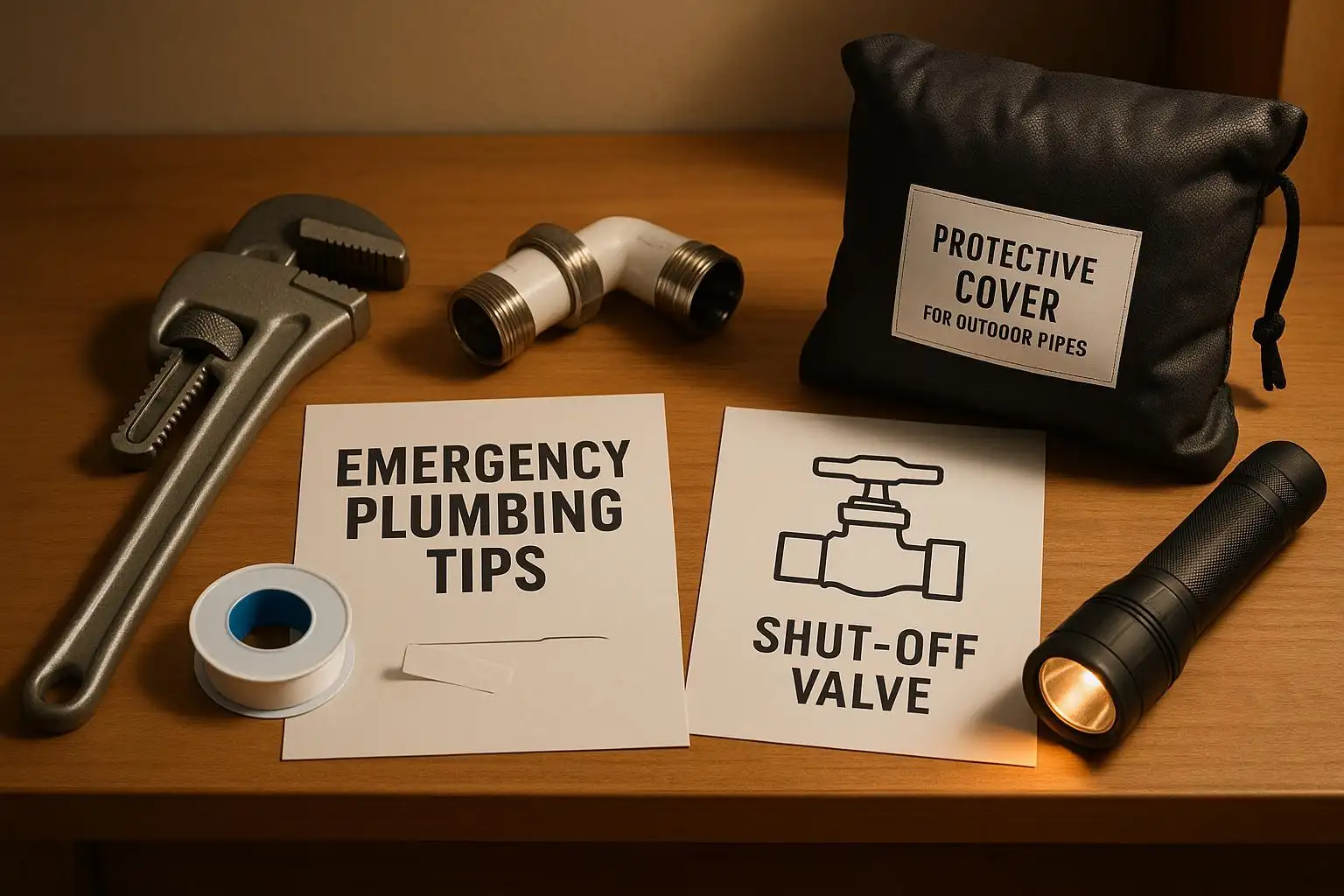
When storm season hits, your plumbing is at serious risk. Heavy rain can overwhelm drains, leading to sewage backups and flooding. High winds may damage exposed pipes, and sudden pressure changes can cause bursts or leaks. Preparing your plumbing system before a storm can save you from costly repairs and major headaches. Here’s a quick rundown of what you need to know:
- Locate and Label Your Water Shut-Off Valve: Know where it is and how to use it. Label it clearly for emergencies.
- Protect Outdoor Plumbing: Insulate exposed pipes and secure hoses, faucets, and gutters to prevent damage.
- Install Flood Prevention Tools: Use sump pumps and backflow prevention devices to keep water out and stop sewage backups.
- Clean Drains and Gutters: Remove debris to ensure proper water flow and reduce flooding risks.
- Make an Emergency Plan: Assemble a plumbing kit, share the plan with your household, and keep emergency contacts handy.
Storm-proofing your plumbing isn’t just about preparation – it’s about acting fast when problems arise. If you notice burst pipes, sewage backups, or sump pump failures, call a professional immediately. For Miami residents, Hernandez Plumbing offers 24/7 assistance with upfront pricing and over 50 years of experience handling storm-related plumbing issues. A little preparation now can protect your home and save you money later.
How To Prepare for Severe Weather | Best of Ask TOH | Ask This Old House
1. Find and Mark Your Water Shut-Off Valve
When severe weather strikes, acting quickly can make all the difference. The gap between minor water damage and a full-blown flood often hinges on how fast you can turn off your home’s main water supply. Yet, many homeowners don’t know where their shut-off valve is or how to use it when the pressure is on. Take the time now to locate your valve so you’re prepared to act when it matters most.
1.1 Where to Find the Shut-Off Valve
The main water shut-off valve is usually located between your water meter and your home’s internal plumbing. If your house has a basement, start there – check the basement, crawl space, or utility room near the water meter. In homes without basements or in warmer regions, the valve is often outside, near the foundation where the water line enters the property. Older homes might have the valve hidden in less obvious places, like a pit or a buried box. If you’re unsure or suspect the valve isn’t working, it’s wise to call a plumber for a professional inspection.
Once you’ve identified the valve, test it. Turn it clockwise to shut off the water and counterclockwise to turn it back on. This quick test ensures the valve isn’t stuck or corroded, so you can count on it when needed. Familiarizing yourself with the valve’s location and operation is a simple but vital step in protecting your home during storm season.
1.2 Label the Valve for Quick Access
Finding the valve is one thing; being able to use it in an emergency is another. Stress, poor lighting, and power outages can make situations chaotic, so clear labeling is essential. Mark the valve with bright, weather-resistant labels and attach a laminated instruction card nearby. Take a photo of the valve and share its location with everyone in your household. Keep the area around it clear for easy access.
Consider holding a family meeting to review the valve’s location and practice turning it off. This not only builds confidence but also ensures everyone knows what to do when it counts. Additionally, create a written emergency plan that includes the valve’s location, photos, and step-by-step instructions. Having this plan ready can save precious time when every second matters.
2. Check and Protect Outdoor Plumbing
Taking care of outdoor plumbing is just as important as knowing where your shut-off valve is. Storms can wreak havoc on exposed pipes, causing them to crack, break, or even detach, which can lead to expensive repairs. Underground plumbing isn’t safe either – shifting soil can create cracks, allowing contaminated water to seep in. By safeguarding these vulnerable areas now, you can avoid costly repairs and keep your plumbing system in better shape when storm season hits. Let’s break down how to insulate pipes and secure outdoor fixtures to protect your home’s plumbing.
2.1 Insulate Exposed Pipes
Foam pipe insulation is a simple yet effective way to protect exposed pipes from storm damage. It helps shield pipes from sudden temperature changes, water exposure, and even debris impact. Start by identifying all exposed pipes around your home – look along walls, under eaves, and near the foundation. Measure the pipe diameters to ensure you buy the right size foam insulation from your hardware store.
Installing the insulation is easy. Most foam insulation is pre-slit, so you can simply open it up and wrap it around the pipe. Be sure to cover the entire length of each pipe, paying special attention to joints and connections. Use zip ties or weatherproof tape to secure the insulation in place.
But don’t stop at insulation – support your pipes to keep them stable during harsh weather. Use support brackets for horizontal pipes, securing them at regular intervals and at every joint. For pipes in high-wind areas or those fully exposed to the elements, consider doubling up on insulation or adding protective covers for extra durability. Taking these steps now can save you from hefty repair bills later.
2.2 Secure Hoses, Faucets, and Gutters
Start by disconnecting your garden hoses before a storm hits. Drain them thoroughly and store them in a safe spot like a garage, shed, or basement to protect them from wind and debris.
Next, focus on outdoor faucets and gutters. Trim back any branches or plants near outdoor faucets that could strike them during high winds. You might also want to upgrade your faucets to models designed to handle extreme weather conditions.
Gutters and downspouts are essential for managing heavy rainfall. Clear out any debris to ensure water flows freely, and secure them with heavy-duty brackets to prevent them from detaching in strong winds. Make sure your gutters direct water away from your home’s foundation. Installing gutter guards can also help reduce debris buildup, which is especially useful if your property has a lot of trees. These small efforts can make a big difference in keeping your home safe during stormy weather.
3. Install Flood Prevention Equipment
Protecting your home from flooding involves more than just cleaning gutters or insulating pipes. Adding specialized tools like sump pumps and backflow prevention devices can make a big difference. These systems work continuously to keep water out of your home and prevent sewage from backing up during heavy storms. Let’s dive into how to set up and maintain these essential tools.
3.1 Sump Pump Setup and Maintenance
A sump pump is your first line of defense against water pooling in your basement or crawl space. It sits in a sump pit and kicks into action when water levels rise, pumping it away from your home’s foundation.
How to Install a Sump Pump
Place the sump pump in the lowest point where water tends to collect. The sump pit should be positioned away from your foundation walls to avoid water seeping back into your home. Make sure the discharge pipe directs water at least 4 to 6 feet away from your foundation – this distance helps prevent the water from circling back.
For safety, connect the sump pump to a GFCI outlet. Since power outages are common during storms, consider adding a battery-operated backup pump to keep your home protected even when the electricity fails.
Maintenance Tips for Your Sump Pump
Regular upkeep ensures your sump pump is ready when you need it most. Before storm season, test it by pouring water into the sump pit until the float activates the pump. Watch to ensure it turns on automatically and drains water efficiently.
Keep the pump screen clean to avoid clogs, and inspect the discharge pipe for any blockages or damage. If you have a backup battery system, make sure it’s fully charged – an uncharged battery won’t be of any help during an outage.
Also, don’t overlook the sump pit itself. Clear out any sediment or debris that could interfere with the pump’s operation.
When to Be Concerned
Unusual noises during operation often indicate mechanical problems. If the pump doesn’t activate when water levels rise or if it runs non-stop, it needs immediate attention. Rust or corrosion on the pump is a sign that its lifespan may be nearing its end, so consider replacing it before the next storm season.
Once your sump pump is in good shape, the next step is to focus on preventing sewage backups.
3.2 Backflow Prevention Devices
A backflow prevention device is a one-way valve that ensures water flows in the right direction through your plumbing system. During heavy rains, municipal sewer systems can become overwhelmed, causing sewage to back up into residential plumbing. Backflow preventers stop this reverse flow, protecting your home from sewage contamination and costly damage.
Choosing the Right Backflow Preventer
There are different types of backflow preventers to consider. A basic check valve uses a single mechanism to allow water to flow in one direction while blocking reverse flow. A dual check valve, on the other hand, has two internal mechanisms for added reliability. These are often preferred for main water line protection because they offer an extra layer of security even if one component wears out.
Where to Install Backflow Preventers
The main water line entering your home is the most critical spot for a backflow preventer. Installing one here protects your entire plumbing system from contamination.
You might also want to add backflow preventers to specific fixtures or appliances that pose a higher risk, such as irrigation systems, pool equipment, and outdoor faucets. Before storm season, have a licensed plumber inspect your plumbing to determine the best locations for these devices, taking into account your home’s layout and local codes.
How They Work Together
Sump pumps and backflow preventers complement each other perfectly. The sump pump actively removes water that collects in your basement or crawl space, preventing flooding and structural damage. Meanwhile, the backflow preventer passively stops sewage and contaminated water from entering your plumbing system during sewer backups. Together, these tools create a strong defense system – one manages excess groundwater, and the other blocks harmful sewage.
Signs of Backflow Preventer Issues
If your home’s water pressure drops, it might be a sign of a problem with your backflow preventer. Other warning signs include sewage odors, visible leaks, slow drains, or frequent clogs. Address these issues promptly to avoid more significant problems during storm season.
4. Clean Drains and Gutters Before the Storm
Once you’ve set up your flood prevention measures, the next step is to ensure your gutters and drains are free of debris. This simple yet important task strengthens your home’s ability to handle storms effectively.
Clogged gutters and drains can redirect water onto your roof or around your foundation, increasing the likelihood of flooding. During heavy rain, these issues can escalate quickly. Taking the time to clear out these obstructions before a storm can protect your home from water damage and ease the burden on your plumbing system.
4.1 Clean Gutters and Downspouts
Gutters play a key role in protecting your home during storms by directing rainwater away from your roof and foundation. But when they’re clogged with leaves, twigs, or dirt, they can overflow, leading to water damage. Pre-storm gutter cleaning helps ensure water flows where it’s supposed to – away from your home.
How to Start Safely
Before you begin, gather a sturdy ladder, gloves, and either a bucket or tarp for collecting debris. Make sure the ladder is stable on even ground. If you’re uncomfortable working at heights or if the weather is already worsening, it’s better to focus on other preparations.
Steps to Clean
Begin at one end of the gutter system and work your way along its full length. Use your hands or a scoop to remove leaves, twigs, and dirt. After clearing visible debris, flush the gutters with water from a garden hose to check for blockages and confirm smooth water flow.
Pay close attention to downspouts, as these vertical pipes often hide blockages. Run water through each downspout and monitor drainage. If the water backs up or drains slowly, there’s likely a clog. Use a plumbing snake or a high-pressure water jet to clear it.
Redirecting Water Safely
Make sure water is being directed 4–6 feet away from your home’s foundation. Add extensions or splash blocks if needed to guide water further away.
Routine Maintenance
Gutters need regular attention, especially during storm season. Clean them at least twice a year – once in spring and once in fall. During active storm periods, inspect them every two to four weeks or after heavy rains. Watch for warning signs like water spilling over the sides, sagging gutters, or water stains on your walls – these indicate immediate action is required.
If your home is surrounded by trees, you may need to clean your gutters more often. Installing gutter guards can help reduce debris buildup, cutting down on maintenance.
4.2 Clear Indoor Drains
Just as outdoor systems need attention, indoor drains should also be clear to handle the extra load during storms. Clogged indoor drains can cause water to back up into sinks, tubs, or showers, especially when your plumbing system is under stress.
Tools for the Job
For minor clogs, start with a plunger. Make sure the plunger cup is fully submerged in water, then pump a few times to dislodge the blockage. If that doesn’t work, use a plumbing snake to tackle tougher clogs. Feed the snake into the drain slowly and rotate it to break through the obstruction.
Preventing Future Issues
To avoid future clogs, use drain screens to catch debris and avoid pouring grease down your drains. These small steps can save you from needing emergency plumbing services during a storm.
Signs of Trouble
Be on the lookout for slow drainage, gurgling noises, or water backing up in multiple fixtures. These are signs of a blockage that needs to be addressed before the storm hits. Ignoring these issues can lead to bigger problems when heavy rain puts extra pressure on your plumbing.
When to Call a Professional
While minor clogs can often be handled with basic tools, some situations require expert help. Call a plumber if your DIY efforts fail, if multiple drains are backing up (which could indicate a mainline issue), or if you suspect tree roots are causing blockages. Professionals have specialized tools, like motorized augers and video inspection cameras, to locate and fix problems you can’t reach.
A Coordinated Effort
Clean gutters keep rainwater away from your home, while clear indoor drains handle any water that might make its way inside. Together, they form a strong defense against plumbing failures and water damage during heavy storms. By ensuring both systems are functioning properly, you can significantly reduce the risk of storm-related emergencies.
5. Make an Emergency Plumbing Plan
Storms can wreak havoc on plumbing systems, but having a solid emergency plan in place can help you respond quickly to leaks, bursts, or flooding. A well-prepared plan not only minimizes damage but also ensures everyone in your household knows their role during a plumbing emergency.
5.1 Put Together an Emergency Kit
Your emergency plumbing kit is your go-to resource when things go south. The right tools on hand can turn a potential disaster into a manageable situation. Here’s what to include:
- Pipe wrenches and adjustable wrenches for tightening or loosening fittings
- Plumbing tape (Teflon tape) to seal minor leaks
- A plunger and plumbing snake to clear blockages
- Towels or rags to soak up water
- A flashlight with extra batteries for visibility
- A bucket to collect leaking water
- A properly sized wrench for your main water shut-off valve
Store this kit in a clearly labeled container near your main water shut-off valve – whether that’s in the basement, utility room, or garage. If you live in a multi-story home, consider keeping additional kits on other floors for easy access. Check your kit annually to ensure tools are functional, batteries are fresh, and supplies like plumbing tape are still effective.
Make sure everyone in your household knows where the kit is stored and how to use the tools. Practice shutting off the main water valve as a family, and assign a primary responder with a backup in case of emergencies. Being prepared with both tools and knowledge can make all the difference.
5.2 Keep Emergency Contact Information Ready
When plumbing problems strike, having the right contacts at your fingertips can save precious time. Compile a written list of emergency numbers, including:
- Your trusted plumber
- A 24/7 emergency plumbing service
- Your water utility company
- Your homeowner’s insurance provider
- Local emergency services
Keep this list in multiple places, such as on your fridge, inside your emergency kit, on your phone, and in a waterproof container. For residents of Miami, FL, it’s a good idea to include Hernandez Plumbing’s 24/7 emergency service. They offer upfront pricing and a $49 residential plumbing diagnostic service (regularly $97), along with flat-rate pricing to help you avoid unexpected costs during a crisis.
Consider digitizing your emergency plan by storing it on your smartphone. Include photos of your main water shut-off valve and the emergency kit location for quick reference. Set reminders to review your plan annually and test your sump pump before storm season to stay ahead of potential issues.
If you’re dealing with ongoing problems like low water pressure, discolored water, or persistent leaks, don’t wait – reach out to a professional plumber immediately. Early action can prevent minor issues from turning into costly repairs.
6. When to Call a Professional Plumber
Storm conditions can wreak havoc on your plumbing system, especially during storm season when the system is easily overwhelmed. While some minor plumbing hiccups can be addressed later, certain issues require immediate professional assistance.
6.1 Signs You Need Professional Help
Burst or visibly damaged pipes should never be ignored. If you spot a burst or cracked pipe, turn off your main water valve immediately and contact a plumber. These issues can lead to severe flooding within hours, potentially ruining floors, walls, and even the foundation of your home.
Sewage backups are another urgent problem. If you notice foul smells, raw sewage in sinks or toilets, or multiple drains clogging at once, it’s time to call an expert. Sewage contains harmful bacteria and toxins that require specialized equipment and training to handle safely.
Severe leaks causing puddles or water stains are a clear warning sign. Stains on walls or ceilings often point to hidden leaks that need professional detection tools to locate and fix.
Sump pump failure during heavy rains is a serious concern. A sluggish or completely unresponsive sump pump puts your basement at high risk of flooding. Call a professional immediately to get it back in working order.
Multiple fixtures failing at once – like toilets refusing to flush, sinks not draining, and showers backing up – could indicate a blockage or break in your main sewer line. This is a complex issue that requires professional diagnosis and repair.
Water pressure problems or discolored water after a storm are also red flags. Brown or yellow water might mean corrosion or sediment buildup, while a sudden drop in pressure could signal hidden leaks or pipe ruptures.
Attempting DIY solutions for these situations can often make things worse, leading to more extensive damage. Professional intervention is essential – and that’s where Hernandez Plumbing steps in.
6.2 Why Choose Hernandez Plumbing
When plumbing emergencies hit during a storm in Miami, FL, you need a reliable service you can trust. Hernandez Plumbing has been a staple in the Miami community since 1972, bringing over five decades of experience to every job. Their team is well-versed in the unique challenges that South Florida’s plumbing systems face, from aging infrastructure to storm-related damage.
24/7 Availability
Plumbing emergencies don’t follow a schedule, but Hernandez Plumbing is always on call. Whether it’s a burst pipe at midnight or a sewage backup during a weekend storm, their around-the-clock service ensures help is just a call away.
Transparent, Flat-Rate Pricing
No one likes surprises when it comes to costs. Hernandez Plumbing offers flat-rate pricing with no hidden fees. For instance, their residential plumbing diagnostic is just $49 (regularly $97), so you know what to expect before any work begins.
Advanced Equipment
Their technicians are equipped with state-of-the-art tools, including camera inspection systems and advanced leak detection devices. This ensures accurate assessments and prevents costly errors that can arise from misdiagnosed problems.
Satisfaction Guarantee and Warranty
Every job comes with a 100% satisfaction guarantee, along with a warranty on parts and labor. This commitment provides peace of mind during an already stressful situation.
Storm-Specific Expertise
Hernandez Plumbing understands how storms uniquely impact Miami’s plumbing. From addressing contaminated water after flooding to resolving sewage backups and foundation issues, their team has the expertise to handle it all.
When contacting Hernandez Plumbing, be ready to share key details like water flow status, affected areas, and the condition of your main valve. This helps their technicians arrive prepared and prioritize repairs efficiently.
For homeowners looking to stay ahead of storm-related plumbing problems, Hernandez Plumbing also offers tailored solutions. From pre-storm inspections and backflow prevention to sump pump upgrades, their team can help safeguard your home before the next storm strikes.
Conclusion
The steps discussed – like securing your water valve, installing flood prevention measures, and completing essential repairs – offer a solid approach to protecting your plumbing from storm-related problems. With proper planning, storm season becomes much more manageable. Aim to finish preparations 2–3 weeks before the peak season to address weak points and complete any necessary fixes.
During emergencies, act fast. Turning off your main water valve before evacuating can stop contaminated water from entering your plumbing system. Once the storm has passed, check your plumbing for any early signs of damage.
For more serious problems like sewage backups, burst pipes, or sump pump failures, professional assistance is critical. Since 1972, Hernandez Plumbing has been a trusted name in Miami, FL, offering over 50 years of experience in tackling storm-related plumbing challenges. Their flat-rate upfront pricing, satisfaction guarantee, and warranties on parts and labor provide peace of mind during stressful situations. Whether you need a pre-storm inspection or immediate assistance during a crisis, their licensed technicians are ready to handle the unique plumbing needs of South Florida.
Staying prepared, acting quickly, and seeking professional help when needed can keep your plumbing system strong and reliable through any storm.
FAQs
How can I check if my sump pump is ready for a storm?
To make sure your sump pump is ready to handle a storm, start by giving it a quick test. Pour a bucket of water into the sump pit and check if the pump kicks on and drains the water properly. Double-check that the power is connected and the pump is securely plugged in. Also, inspect the discharge line to ensure there are no clogs or blockages that could interfere with drainage.
If you notice anything unusual – like strange noises, sluggish performance, or the pump not turning on – it’s important to fix the problem right away. For expert help, you can contact a reliable plumbing service like Hernandez Plumbing. If you’re in the Miami, FL area, they provide 24/7 emergency support to keep your home safe during storm season.
How can I tell if my backflow prevention device needs maintenance or replacement?
If your backflow prevention device isn’t working properly, there are a few warning signs to watch for. These include lower water pressure, strange noises like humming or vibrating, and visible leaks or water puddles around the unit. Another red flag is discolored or bad-smelling water, which could mean the device isn’t stopping contamination as it should.
When you notice any of these problems, it’s crucial to address them right away. Backflow prevention devices play a key role in protecting your water supply, especially during stormy weather when plumbing systems face extra strain. Reach out to a licensed plumber to inspect, fix, or replace the device to keep your system running smoothly and your water safe.
Why should I have an emergency plumbing kit, and what should I include in it?
Having an emergency plumbing kit on hand during storm season can be a lifesaver. It helps you tackle sudden problems like leaks or burst pipes until a professional can step in. This small step can save your home from significant damage and spare you from hefty repair bills.
An effective kit should include some basic tools and supplies: a pipe wrench, plumber’s tape, rubber gloves, a bucket, a plunger, and rags or towels to clean up water. For leaks, it’s smart to add pipe sealant or a temporary patch kit to your arsenal. Don’t forget a flashlight with extra batteries – it’ll be a game-changer if the power goes out.
If you’re in Miami, FL, and find yourself needing expert help, Hernandez Plumbing is available 24/7 to handle any plumbing emergencies quickly and effectively.
Need Professional Help?
Our licensed plumbers are ready to help with your emergency plumbing needs.