Emergency Plumbing Documentation in Miami: Photos, Receipts, and What to Save After a Leak or Backup
Emergency Plumbing Documentation in Miami: Photos, Receipts, and What to Save After a Leak or Backup
The best emergency file is not fancy. It is clear enough that your plumber, building manager, or insurer can understand what changed before cleanup and repairs erase the scene.
When a supply line bursts behind a vanity or sewage appears at a floor drain, emergency plumbing documentation Miami homeowners need is not complicated. It is a quick record of what failed, what got wet, what was shut off, and what changed before cleanup crews, drying equipment, or a plumber's repair make the original damage harder to read.
That matters in Miami because the same emergency can affect very different property types. A single-family home in Little Havana, a Brickell condo stack, and a Doral rental unit can all have "water damage," but the documentation trail is not identical. The right photos, timestamps, and repair notes help everyone move faster, including the licensed team you call from Hernandez Plumbing's 24/7 emergency plumbing page.
This guide keeps the priorities in the right order. First, stop active damage when it is safe. Then capture the records that disappear fastest. After that, save the receipts and plumber notes that make the next conversations shorter and less chaotic.
Why documentation matters after a plumbing emergency
Documentation is not only about insurance paperwork. It is also about diagnosis, accountability, and handoff.
Hernandez Plumbing treats burst pipes, sewage backups, major leaks, no-water events, and gas smell near a water heater as true emergencies. Its leak-detection page also says the team provides insurance documentation when hidden leaks are involved. That combination matters because the person fixing the problem often needs a record of the scene that existed before water was extracted, walls were opened, or a tenant moved everything out of the room.
A good emergency record helps with at least four practical jobs:
- It gives the plumber a cleaner starting point if conditions have changed by the time the technician arrives.
- It helps condo residents and small landlords show which room, stack, or fixture failed first.
- It preserves model numbers, shutoff locations, and visible damage before those clues disappear.
- It reduces the odds of vague retellings like "it was worse earlier" or "I think the stain started over there."
That last point is underrated. The first hour after a plumbing emergency is messy. People are grabbing towels, moving furniture, and calling family members. A fast phone-video walkthrough and a few labeled still photos can turn that chaos into something usable.
What to photograph before cleanup changes the scene
Before you worry about the perfect folder structure, remember the safety gate. Ready.gov says to follow local guidance on reentry and not to enter a damaged building if you smell gas or if conditions are still unsafe. Hernandez Plumbing's emergency FAQ adds a similar practical rule: if flooding is present, turn off electricity to affected areas when you can do that safely, and do not attempt gas-line repairs yourself.
Once the space is safe enough to enter, capture the scene in layers instead of random close-ups.
| Capture first | Why it matters later | Easy detail people miss |
|---|---|---|
| Wide shot of the room | Shows water path, affected walls, and how far damage spread | Thresholds, baseboards, and adjacent rooms |
| Mid-range shot of the source area | Connects the leak to the fixture, appliance, shutoff, or drain line | Ceiling above the stain, cabinet doors left open, overflow path |
| Tight close-up | Preserves labels, corrosion, cracked fittings, or drain backup evidence | Angle-stop valves, braided hoses, drain cleanouts, trip indicators |
| Appliance label | Gives you make, model, and serial number for service and claim conversations | Water-heater plates, washer tags, disposal labels |
| Personal property grouping | Makes it easier to remember what was wet and where it was located | Contents inside cabinets, closets, vanities, and drawers |
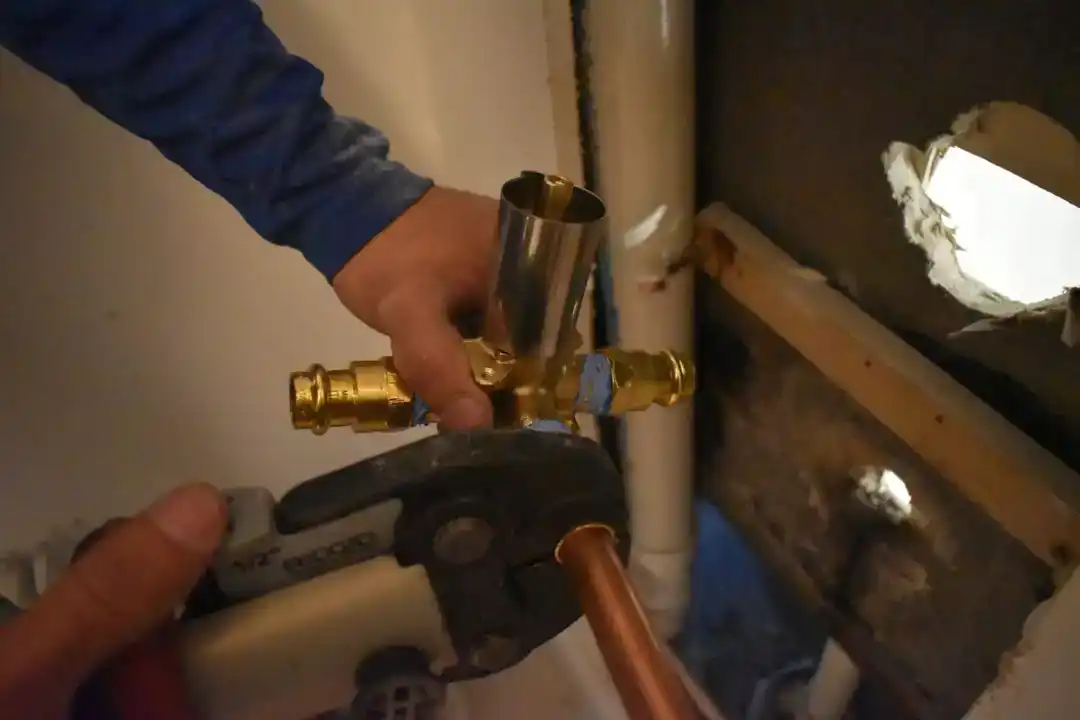 Take the wide shot first, then move closer. Once the cleanup starts, the exact water path and hardware condition can be harder to prove.
Federal disaster guidance from FEMA uses the same discipline for flood scenes: photograph the outside and inside of the building, include damaged personal property, label images by room, and document appliances before you remove anything. Even though a pipe leak is usually smaller than a flood claim, the method still works.
For plumbing emergencies specifically, make sure your photo set includes:
- The first visible source - for example a failed supply line, cracked angle stop, leaking water heater, overflow point, or active floor drain backup.
- The damage path - wet drywall, swollen vanity panels, ceiling stains, buckled flooring, soaked baseboards, or wastewater at the lowest fixture.
- The shutoff context - the valve you used, whether it fully closed, and the area around the main water shutoff.
- The room label in your own words - kitchen island sink, hall bath toilet, unit B-1203 laundry closet, or north-side water-heater closet.
- Anything you may discard soon - wet cardboard boxes, ruined cabinet contents, soaked rugs, or contaminated porous materials.
If the event involves a sewer backup rather than clean water, photograph before you start throwing anything away. FEMA guidance also recommends keeping samples of affected carpet, wallpaper, or drapery when that would matter later. You do not need to save every ruined object forever, but you do want enough evidence to show what was there before the room was stripped out.
Which receipts, timelines, and plumber notes to save
Photos tell you what happened. Receipts and notes explain what changed next.
Start a simple timeline in your phone notes or on paper:
- When did you first notice the problem?
- Which fixture or room showed it first?
- When was the water shut off?
- When did you call the plumber, building manager, tenant, or owner?
- When did cleanup, drying, or extraction start?
Then save the records that people almost always wish they had later:
- plumber invoices and diagnosis notes
- leak-detection or camera-inspection reports
- receipts for fans, dehumidifiers, extraction, or emergency materials
- replacement receipts for clearly damaged items
- written messages with condo management, a tenant, or an after-hours coordinator
- your own list of damaged rooms, fixtures, and contents
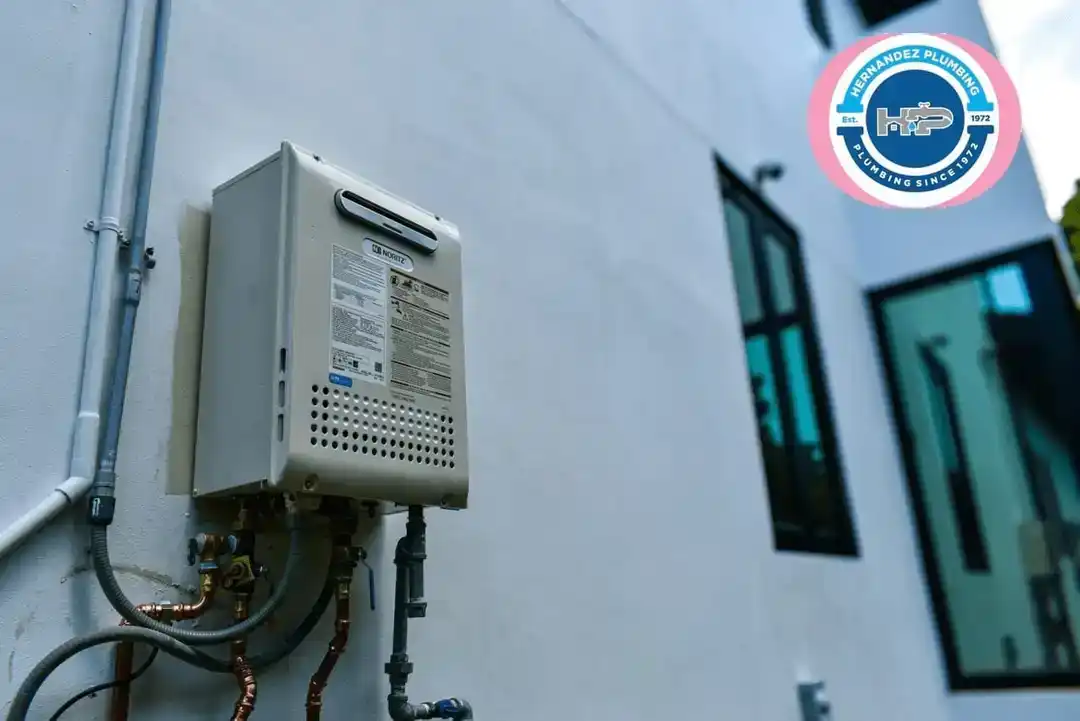 Model numbers, install labels, and visible connection details can matter just as much as the puddle on the floor once the first emergency visit is over.
FEMA's current cleanup guidance specifically says to photograph make, model, and serial numbers for appliances and to save repair receipts. For a Miami plumbing emergency, that often means capturing labels on water heaters, washing machines, dishwashers, disposals, or filtration-related equipment before the area is cleaned out.
The plumber's paperwork is especially valuable when the cause is not obvious. If Hernandez Plumbing performs leak detection, ask for the notes that explain what method was used, where the leak was confirmed, and what repair path was recommended. If the issue involved a drain or main line, save any camera findings or written description of recurring-clog evidence.
A short written summary from you also helps. One paragraph is enough if it answers the basics: what failed, where water traveled, what was shut off, and whether the issue looked sudden, repeated, or storm-related.
How condos, rentals, and shared buildings change what you record
Miami properties complicate documentation because the leak path and the ownership boundary are not always in the same place.
Hernandez Plumbing markets emergency, leak-detection, and sewer-line work to homes, condos, townhouses, and apartments. Its Miami service pages also call out Brickell high-rises and other attached or multi-story housing. That means your record should show not only what got wet inside your unit, but also how the issue may connect to a shared stack, neighboring unit, or common-area shutdown.
 In Miami's condo-heavy neighborhoods, the leak path and the responsibility line are not always the same thing. Your notes should show both.
If you live in a condo or mixed-use building, add these details to your file:
- unit number, floor, and stack location if known
- whether water appeared from above, below, or inside a shared wall
- who was notified first: front desk, property manager, HOA contact, owner, or tenant
- the time any building-wide or stack-specific shutoff happened
- whether a neighboring unit, hallway, elevator lobby, or trash room was also affected
If you are a landlord or property manager, keep the same core records but add the operational ones too: access windows, tenant communications, vendor arrival times, and photos taken before a maintenance person opens a wall or pulls flooring.
This is where people get themselves in trouble by asking the wrong first question. Do not start with "Who has to pay?" Start with "What can I prove happened, when did it happen, and who did I notify?" Coverage decisions, declaration language, and building rules vary too much to settle in a blog post. Clean records are what make those later conversations easier.
What to do safely before you focus on paperwork
Documentation matters, but it never outranks safety.
If water is actively running, shut it off if you can do that safely. Hernandez's shutoff guide says Miami-area homes commonly hide the main valve near the water heater, under the kitchen sink in slab homes, on an exterior wall near a spigot, or at the street-side meter box. If you cannot find it or the valve will not operate, that becomes part of the emergency itself.
If sewage is involved, slow down and treat the scene differently from a clean-water leak. Hernandez's sewer-backup guidance says to stop using all water, keep children and pets away, and avoid direct contact while waiting for help. EPA adds that contaminated water can contain bacteria and other hazards, and that cleanup around flood- or sewage-like contamination calls for protective gear such as an N-95 respirator, goggles, gloves, long sleeves, and boots.
A few practical stop points matter here:
- If you smell gas, get out and call 911 before you do anything with cameras or receipts.
- If contaminated water is involved, photograph first, then avoid stirring it up just to get a better angle.
- If drywall, flooring, or carpet stayed wet, do not wait days to start drying after the documentation is finished. EPA says mold can begin growing on wet materials in more than 24 hours.
- If you start cleaning contaminated surfaces, use water and detergent first and do not mix cleaning products with bleach or other chemicals.
People often assume documentation means delaying cleanup. It should mean the opposite: take organized evidence quickly so you can move into drying, containment, and professional repair sooner.
When Hernandez Plumbing is worth calling
Call Hernandez Plumbing when the problem is already in motion or when the scene needs professional notes before conditions change again.
That usually includes:
- burst or actively leaking supply lines
- sewage backup or wastewater at a floor drain
- no-water emergencies
- hidden leaks that still need confirmation behind walls or under slabs
- water-heater failures, especially when gas odor or active leakage is involved
The live emergency page says the company offers 24/7 service and typically reaches calls in 30-60 minutes, while also noting that severe weather and heavy volume can change timing. The contact page currently lists 305-428-3782, csr@plumbinginmiamifl.com, and 24/7 Emergency Service Available.
If you call, have this ready:
- your exact address and unit or suite number
- when the problem started
- which shutoff you used, if any
- which rooms or fixtures are wet or affected
- whether the water looks clean, dirty, or sewage-related
- your photo set, plus any model labels or serial numbers you captured
That information does two jobs at once. It helps the dispatcher send the right service, and it gives the technician a faster path to the real cause when they arrive.
For scheduling, use the live contact page or call directly. If the problem looks more like hidden moisture than an obvious burst line, Hernandez's leak detection service is the better internal handoff. If wastewater is backing up or multiple fixtures are reacting together, the Miami sewer-backup guidance is the more relevant emergency lane.
A good record will not stop a pipe from breaking. What it will do is make the next hour less chaotic, the repair conversation more precise, and the follow-up paperwork easier to prove.
This article is for general education only. It is not insurance, legal, HOA, or code advice. Confirm emergency steps, cleanup safety, and current service details with the official Hernandez Plumbing site and the appropriate local or professional authority for your situation.