Drain Cleaning Frequency Planner for Your Home
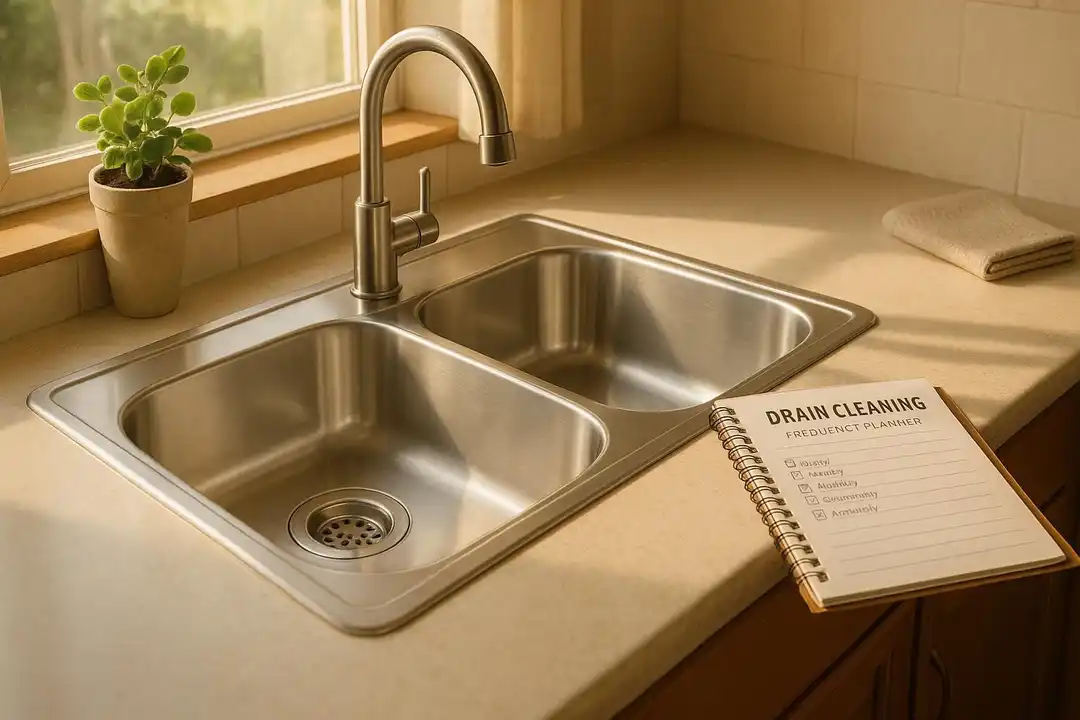
Keep Your Drains Clear with a Custom Cleaning Schedule
Maintaining the pipes in your home is one of those tasks that’s easy to overlook—until a clog causes a messy backup. A well-thought-out drain maintenance plan can save you from headaches and expensive plumber visits. By understanding how often your specific drains need attention, you’re taking a proactive step toward a smoother-running household. Our interactive planner helps you calculate exactly how often your drains need TLC.
Why Timing Matters for Drain Care
Not all drains face the same wear and tear. A kitchen sink in a bustling family home deals with grease and food particles daily, while a guest bathroom drain might only see occasional use. Tailoring your approach to these differences is key. Tools like a drain cleaning frequency planner help you map out a schedule that fits your lifestyle, ensuring you’re not over- or under-maintaining. Beyond just clearing buildup, regular care keeps water flowing freely and reduces the risk of odors or slow drainage.
Signs It's Time to Clean Your Drains
Even if you have a schedule, your drains will sometimes tell you they need immediate attention. Watch out for these warning signs:
- Slow Draining Water: If water pools around your feet in the shower or takes minutes to empty from the kitchen sink, a clog is forming.
- Unpleasant Odors: A foul smell coming from the drain usually means food, grease, or hair is trapped and decaying inside the pipes.
- Gurgling Sounds: Hearing strange noises when the water drains indicates air is trapped in your plumbing, often caused by an obstruction.
- Frequent Backups: If one or more drains frequently back up, there could be a deep blockage in your main sewer line that requires professional hydro-jetting.
Best Practices for Between-Cleaning Maintenance
Sticking to your frequency planner is essential, but what you do in between cleanings matters just as much. Here are a few simple habits to prolong the health of your drains:
- Use Sink Strainers: Place a mesh strainer over every drain to catch food particles, hair, and soap scum before they wash down.
- Never Pour Grease Down the Drain: Grease and cooking oils harden inside pipes, creating stubborn, sticky clogs. Wipe pans with a paper towel instead.
- Flush with Hot Water: Once a week, pour boiling water down the kitchen sink to melt away minor grease buildup and keep things flowing.
Small Steps, Big Impact
Start by assessing your home’s needs. Note which drains get the most action and who’s using them. Pair that with a reliable guide or planner, and you’ve got a recipe for stress-free upkeep. A little effort now means fewer surprises later—your sinks and pipes will thank you!
FAQs
Why does household size affect drain cleaning frequency?
The more people in your home, the more stuff—think food scraps, hair, or soap residue—goes down the drains. A family of four using a kitchen sink daily will build up gunk faster than a single person. That’s why we factor in household size to recommend a schedule that matches your usage and helps you stay ahead of potential blockages.
How often should I clean a rarely used drain?
Even drains that don’t see much action can develop issues over time, like stagnant water or minor buildup turning into a problem. For a bathroom sink used just a few times a month, cleaning once a year is often enough. Our tool will confirm this based on your inputs, but remember to run water through infrequently used drains occasionally to keep things fresh.
Can regular maintenance really prevent major clogs?
Absolutely! Sticking to a consistent cleaning routine stops small bits of debris from piling up into a full-blown blockage. It’s like brushing your teeth—do it regularly, and you’re less likely to need a major fix. Our planner helps you figure out the right cadence, plus we toss in reminders to make maintenance a breeze.
Need Professional Help?
Our licensed plumbers are ready to help with your drain cleaning needs.