Cast Iron Pipe: Spot Repair vs Full Replacement - Making the Right Choice
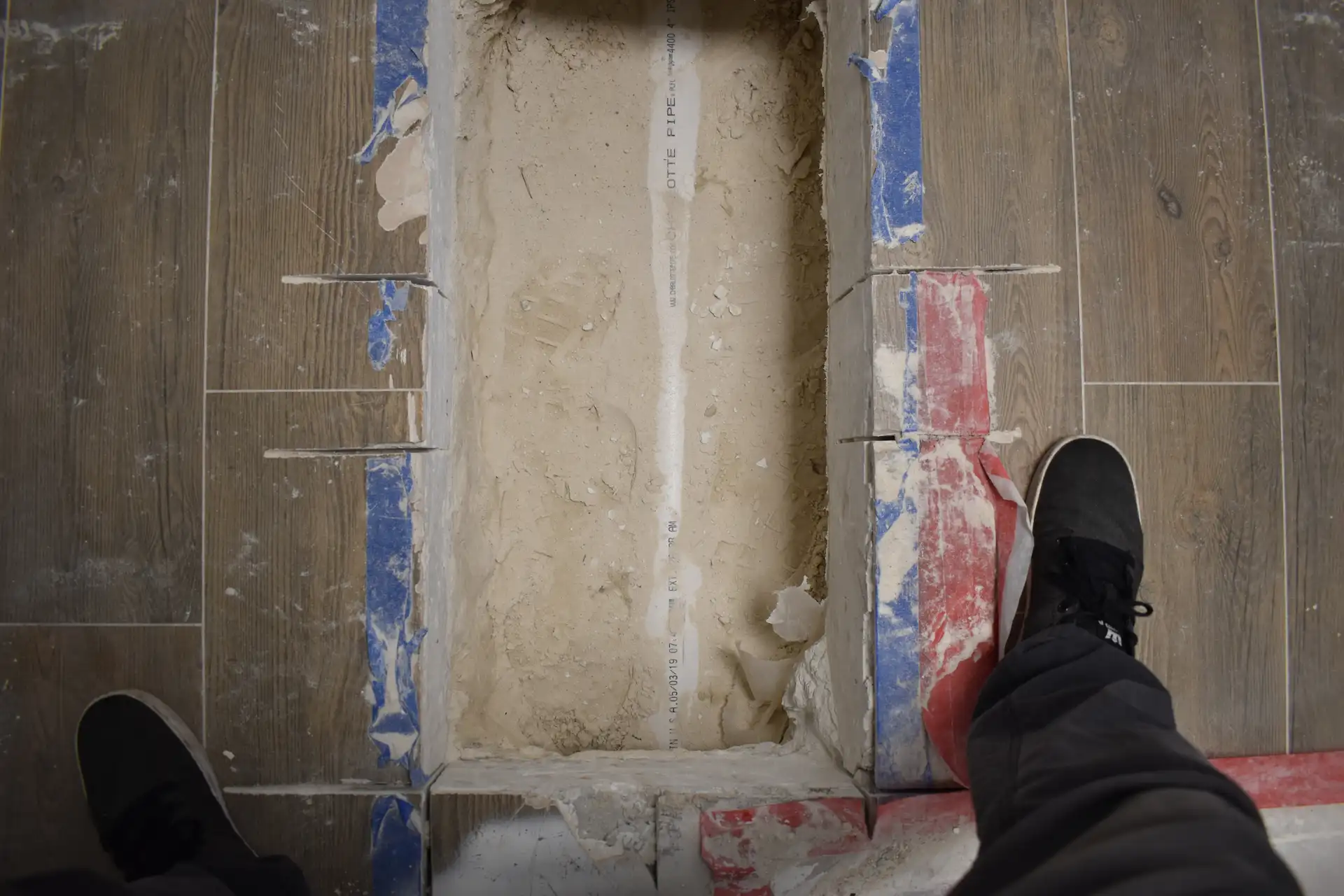
When you discover cast iron pipe problems in your Miami home, you're faced with a decision: Should you repair just the damaged section, or replace the entire system? This choice affects your immediate costs, future expenses, and peace of mind. Here's how to make the right decision.
For a broader perspective on pipe repair options, see our Complete Guide to Pipe Repair and Repiping.
Understanding Your Options
Option 1: Spot Repair
What it is: Replacing only the damaged section of cast iron pipe while leaving the rest of the system intact.
Process:
- Locate the specific problem area
- Cut out the damaged section
- Install new PVC pipe in that section
- Connect new pipe to remaining cast iron
Typical cost: $2,000 - $5,000
Option 2: Partial Replacement
What it is: Replacing cast iron in one area of your home (like the master bathroom line) while leaving other sections.
Process:
- Identify the most deteriorated section
- Remove all cast iron in that area
- Install complete new PVC run
- Leave other cast iron sections in place
Typical cost: $5,000 - $15,000
Option 3: Full Replacement
What it is: Removing all cast iron pipes and replacing with modern PVC throughout.
Process:
- Comprehensive camera inspection
- Remove all cast iron pipes
- Install new PVC drain system
- Restore flooring and walls
Typical cost: $15,000 - $35,000
Option 4: Rerouting
What it is: Abandoning the under-slab cast iron and running new pipes through walls and ceilings instead.
Process:
- Cap off existing under-slab pipes
- Install new PVC through accessible areas
- Connect to existing fixtures
- Avoid concrete demolition
Typical cost: $10,000 - $25,000
When Spot Repair Makes Sense
Spot repair can be the right choice when:
The damage is truly isolated:
- Camera inspection shows one problem area
- Surrounding pipe is in good condition
- Cause was external (tree root, ground shift)
The pipes are relatively young:
- Installed in the 1970s or later
- Less than 50 years old
- Previous camera inspections showed good condition
Budget constraints require phasing:
- You can't afford full replacement now
- Spot repair buys time to save
- You plan staged replacement over time
You're selling soon:
- Addressing immediate problem for sale
- Disclosing pipe age to buyers
- Pricing home accordingly
The Spot Repair Trap
Here's what we see too often: A homeowner opts for the cheaper spot repair, only to have another section fail within months. Then another. Within 2-3 years, they've spent more on repeated repairs than full replacement would have cost.
Why this happens: Cast iron pipes in the same home age together. If one section has failed, others are likely close behind. Spot repair fixes the symptom but doesn't address the underlying problem—a plumbing system that's reaching end of life.
The vibration problem: When we cut into cast iron for spot repairs, the vibration can accelerate damage in adjacent weakened sections. We've seen "perfectly good" pipe fail within weeks of a spot repair.
When Full Replacement Is the Better Choice
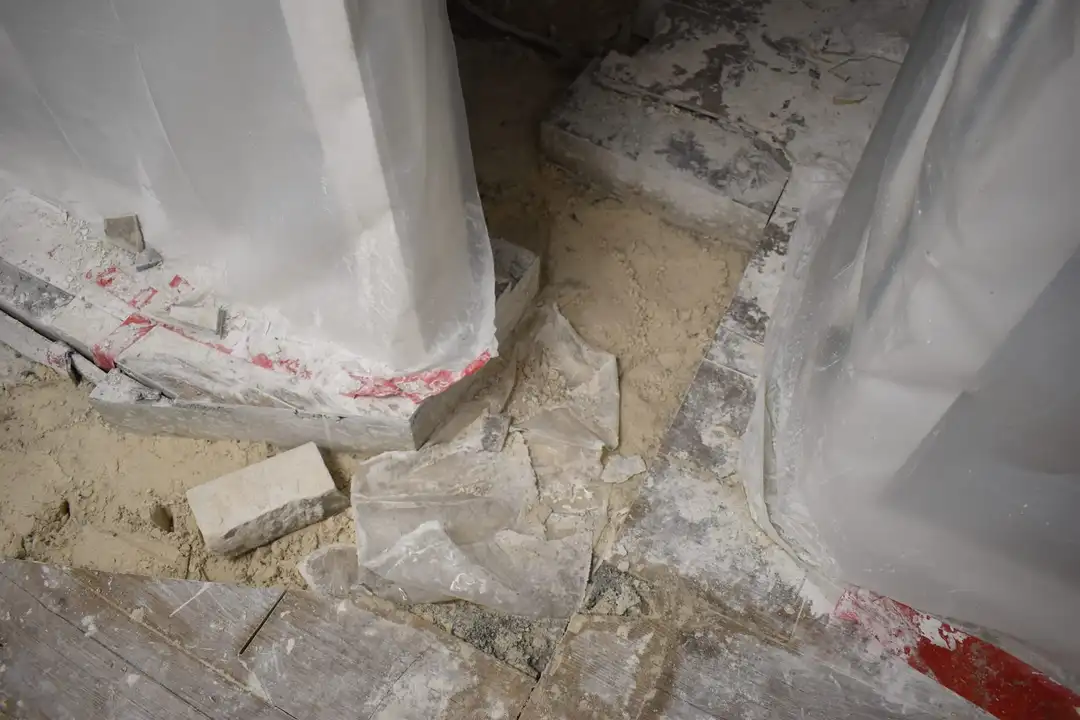
Full replacement makes sense when:
Multiple problem areas exist:
- Camera inspection reveals corrosion throughout
- Previous repairs haven't solved ongoing issues
- Problems keep appearing in new locations
Pipes are at or past expected lifespan:
- Home built before 1970
- Pipes are 50+ years old
- Widespread interior corrosion visible
You plan to stay long-term:
- You'll live in the home 10+ years
- You want permanent peace of mind
- You're tired of plumbing problems
You're renovating anyway:
- Kitchen or bathroom remodel planned
- Floor work already scheduled
- Combining projects saves money
Insurance or selling considerations:
- Insurance company requires replacement
- Home sale depends on updated plumbing
- Want to maximize home value
The Math: Spot Repair vs Full Replacement
Let's run the numbers on a typical Miami home:
Scenario A: Multiple Spot Repairs
| Year | Event | Cost |
|---|---|---|
| Year 1 | First backup, spot repair | $3,500 |
| Year 2 | Second section fails | $4,000 |
| Year 3 | Third failure, emergency | $5,500 |
| Year 4 | Major section fails | $6,000 |
| Year 5 | Finally do full replacement | $18,000 |
| Total | $37,000 |
Plus: 5 years of disruption, stress, and water damage risks.
Scenario B: Full Replacement Initially
| Year | Event | Cost |
|---|---|---|
| Year 1 | Full replacement | $22,000 |
| Years 2-25+ | No plumbing issues | $0 |
| Total | $22,000 |
Plus: Immediate peace of mind, increased home value, lower insurance risk.
The pattern is clear: Unless your pipes are genuinely in good condition with isolated damage, full replacement usually costs less over time.
How to Make Your Decision
Step 1: Get a Comprehensive Camera Inspection
Don't make this decision without seeing the full picture. A professional camera inspection reveals:
- Condition of all accessible pipe
- Corrosion levels throughout
- Hidden cracks or failures
- Root intrusion
- Bellied or sagging sections
Step 2: Ask the Right Questions
Questions for your plumber:
- "On a scale of 1-10, how would you rate the overall condition of my cast iron?"
- "If we do spot repair, how long do you expect the rest of the system to last?"
- "Have you seen pipes in similar condition? What happened?"
- "Would you do spot repair in your own home in this situation?"
Honest answers tell you what you need to know.
Step 3: Consider Your Timeline
| Your Situation | Recommended Approach |
|---|---|
| Selling within 2 years | Spot repair + disclosure |
| Staying 3-7 years | Partial or staged replacement |
| Staying 7+ years | Full replacement |
| Already had multiple repairs | Full replacement |
| Major renovation planned | Full replacement |
Step 4: Factor in Total Costs
Don't just compare repair vs replacement costs. Consider:
Hidden costs of repeated repairs:
- Multiple instances of floor/wall damage
- Time off work for plumber visits
- Emergency vs scheduled repair premiums
- Water damage between failures
- Stress and inconvenience
Benefits of full replacement:
- One-time disruption
- Warranty protection
- Increased home value
- Lower insurance risk
- Peace of mind
Our Honest Recommendation
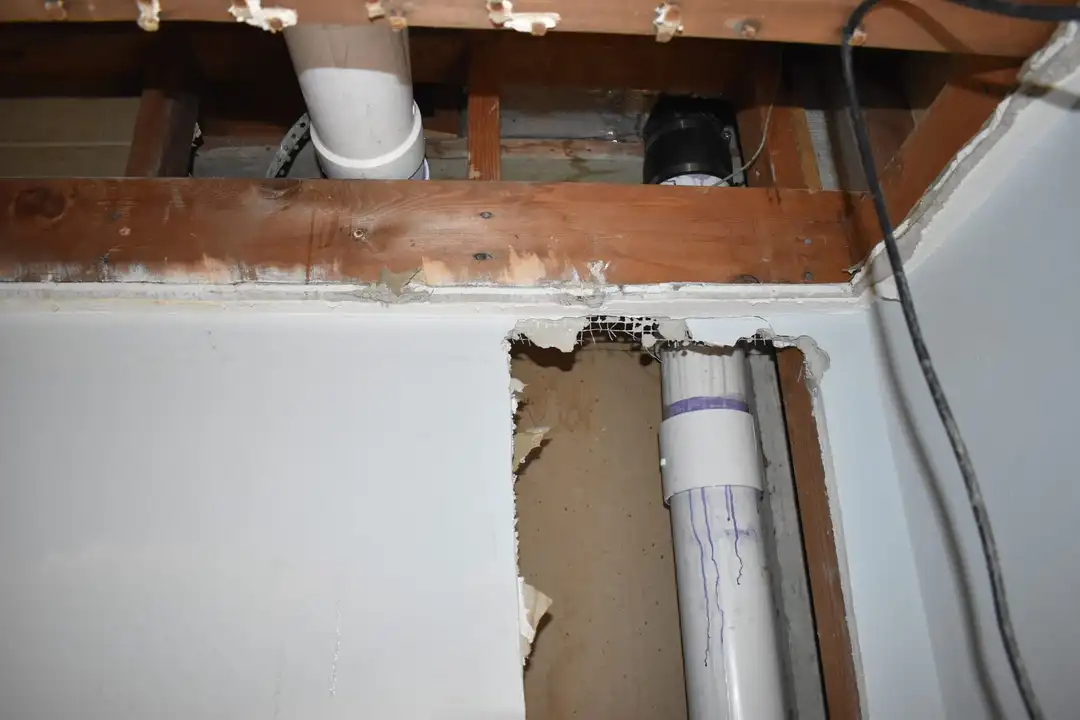
At Hernandez Plumbing, we've replaced thousands of cast iron systems over 50+ years. Here's our honest perspective:
We recommend spot repair when:
- Camera shows genuinely isolated damage
- Rest of system rates 7+ out of 10
- Pipes are under 50 years old
- Damage cause is external and fixable
We recommend full replacement when:
- Multiple areas show deterioration
- System is 50+ years old
- You've already done 2+ repairs
- Camera shows widespread corrosion
We'll always tell you the truth about what we see in your pipes. We'd rather do one proper replacement than string you along with repairs that won't last.
Getting Started
Ready to find out what's really going on in your pipes? Here's the process:
- Schedule a camera inspection ($150-$300)
- Review findings together (we show you the video)
- Discuss options honestly (repair vs replace)
- Get a detailed quote (flat-rate, no surprises)
- Make an informed decision (no pressure)
Schedule your cast iron pipe inspection or call 305-428-3782.
Whatever you decide, make sure it's based on complete information—not just the lowest upfront cost.
Need Professional Help?
Our licensed plumbers are ready to help with your cast iron pipe replacement needs.