6 Common Seasonal Leak Causes in Miami Homes
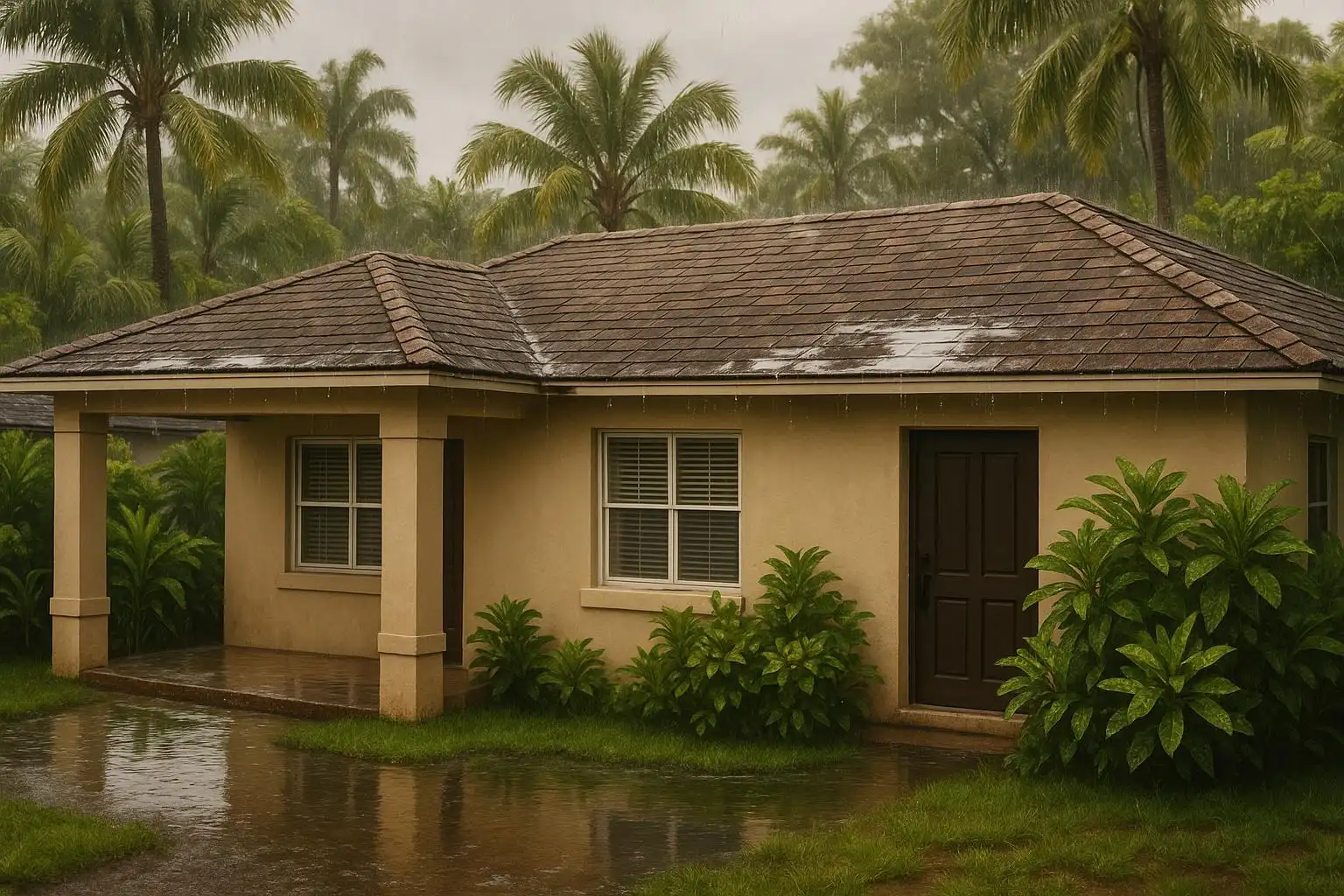
Miami’s climate creates the perfect conditions for leaks, especially during the wet season (May–October). Heavy rainfall, high humidity, and soil movement wreak havoc on plumbing and roofing systems. Here are six common causes of leaks in Miami homes:
- High Humidity: Excessive moisture leads to pipe corrosion and joint failures, which increase water bills over time.
- Heavy Rainfall: Overwhelms drainage, damages roofs, and increases hydrostatic pressure.
- Temperature Changes: Pipe expansion and contraction stress materials, causing leaks.
- Tree Root Growth: Roots invade underground pipes during wet seasons.
- Aging Pipes: Older materials like cast iron fail under Miami’s weather stress.
- High Water Table: Saturated soil causes leaks in foundations and underground pipes.
Each issue can result in costly repairs, from $300 for minor fixes to over $10,000 for severe damage. Regular inspections and maintenance, such as sealing gaps, upgrading materials, and addressing drainage issues, can save thousands in repairs. Professional services like Hernandez Plumbing offer 24/7 support and advanced leak detection to tackle Miami’s unique challenges.
Hidden Leak Causes Major Water Damage | Miami Leak Detection 💧
1. High Humidity and Moisture Buildup
In Miami, where humidity levels often exceed 70%, moisture tends to collect on cooler surfaces like pipes and plumbing joints. When warm, humid air comes into contact with these cool surfaces, condensation forms. This is especially common in areas such as under sinks, inside walls, and around fixtures. Over time, this moisture can lead to material wear and tear, particularly during Miami’s peak humid months – May through October.
Persistent dampness accelerates the corrosion of metal pipes and breaks down the seals at joints, which weakens the plumbing system and eventually causes leaks. The combination of intense heat and frequent rainfall during these months further exacerbates the problem by increasing condensation on pipes and fixtures.
Homeowners should stay alert for signs of trouble, including fixture problems, musty odors that could indicate mold, bubbling or peeling paint, rust on exposed pipes, or an unexplained increase in water bills. Damp spots near fixtures or the faint sound of dripping within walls are also red flags that shouldn’t be ignored.
| Issue | Primary Cause | Warning Signs | Typical Repair Cost |
|---|---|---|---|
| Pipe Corrosion | High humidity/moisture | Rusty pipes, leaks at joints, discoloration | $1,200–$5,000+ |
| Joint Failures | Degraded seals from moisture | Dripping, water stains, mold near connections | $1,200–$5,000+ |
| Mold Growth | Persistent dampness | Musty odor, visible mold, allergy symptoms | $500–$6,000+ (remediation) |
To combat Miami’s challenging climate, taking preventive steps is essential. Using dehumidifiers and keeping indoor humidity levels between 45% and 55% can help minimize moisture buildup. Proper ventilation in bathrooms and kitchens is also critical, as is sealing any gaps around pipes. During renovations, consider upgrading to corrosion-resistant materials like PVC or PEX to better withstand the humid environment.
For a proactive approach, professional leak detection services – like those provided by Hernandez Plumbing – can locate hidden moisture issues before they develop into costly repairs. These experts offer tailored solutions designed to handle Miami’s unique humidity challenges. Homeowners can also benefit from installing moisture sensors to detect hidden leaks early, providing 24/7 monitoring and smartphone alerts when water is detected.
2. Heavy Rainfall and Storm Damage
Miami’s rainy season, spanning from May to October, often overwhelms drainage systems and puts immense pressure on plumbing. These water pressure fluctuations can weaken pipes and joints, leaving them vulnerable to damage.
Storms during this period bring intense winds and heavy downpours that wreak havoc on roofs. Flashing can fail, and water can seep into weak spots. The combination of strong sun exposure followed by relentless rain speeds up the wear and tear on materials, making leaks more frequent and harder to control.
Debris from storms further complicates matters. Palm fronds, leaves, and other clutter can block gutters and downspouts, causing water to back up under shingles or tiles. This water finds its way into areas it shouldn’t, leading to leaks that damage walls, ceilings, and even the structural integrity of buildings.
Heavy rainfall also saturates the soil, increasing hydrostatic pressure around foundations and underground pipes. This pressure can force water into cracks or joints, resulting in leaks in basements, crawl spaces, and plumbing lines.
| Damage Type | Common Cause | Typical Repair Cost | Prevention Method |
|---|---|---|---|
| Roof Leaks | Damaged shingles, failed flashing | $350–$1,500+ | Regular roof inspections, debris removal |
| Foundation Leaks | Saturated soil, hydrostatic pressure | $1,000–$10,000+ | Proper drainage, waterproofing |
| Pipe Damage | Ground movement, pressure changes | $300–$5,000+ | Professional inspections, pipe upgrades |
Some signs of water damage to watch for include water stains, musty odors, visible mold, bubbling paint, and pooling water near foundations. Outside, keep an eye out for missing or damaged roofing materials, overflowing gutters, and debris piling up in roof valleys.
Preventing damage in Miami presents unique challenges. The fast-moving storms and the constant accumulation of debris from tropical vegetation make it tough to stay ahead. Persistent humidity and frequent storms create a cycle of stress for materials, requiring consistent maintenance.
During storm season, professional leak detection becomes essential. Hernandez Plumbing’s 24/7 5 Signs You Need Emergency Water Line Repairs are designed to address unexpected plumbing failures quickly. With upfront pricing and immediate solutions, they can identify storm-related damage early, preventing minor issues from escalating into costly repairs. This is especially important since delays often lead to mold growth and structural damage, which can significantly increase repair costs.
3. Temperature Changes and Pipe Expansion
Miami’s mild but fluctuating temperatures can cause pipes to expand and contract, putting stress on joints and eventually leading to leaks. The transitional seasons, like spring and fall, often bring sudden cold snaps or rapid warming that make this problem worse.
Older pipes – such as those made from cast iron, galvanized steel, or polybutylene – are particularly vulnerable because they’re brittle and less able to handle thermal movement. Even newer materials like PVC and PEX can fail if they weren’t installed properly or are exposed to extreme temperature swings.
Adding to the challenge, Miami’s intense sun and high humidity accelerate the wear and tear on pipe materials, making even small temperature shifts more damaging. This speeds up the formation of leaks.
How to Detect Water Line Leaks Early can save homeowners from expensive repairs. Be on the lookout for things like unexplained water stains on walls or ceilings, damp areas near plumbing fixtures, reduced water pressure, or the sound of running water when no taps are on. In severe cases, you might even notice visible cracks or bulges in exposed pipes.
Once you notice signs of temperature-related damage, taking action quickly is crucial. Preventative steps are much cheaper than dealing with emergency repairs. For example, insulating exposed pipes can help reduce temperature fluctuations. Regular plumbing inspections are also essential to catch issues early. Homeowners might want to replace older, brittle pipes with more flexible materials and ensure proper installation, including the use of expansion joints where necessary.
Repair costs can vary depending on the damage and the type of pipe. Minor fixes, like tightening joints or patching small cracks, usually cost between $150 and $400. However, more extensive repairs involving pipe replacements can range from $500 to $2,000. If water damage to surrounding areas is involved, the price can climb even higher. Emergency plumbing services during nights or weekends often come with additional fees as well.
Hernandez Plumbing offers a proactive approach to these issues. Their leak detection services help identify early signs of thermal stress, and their 24/7 support ensures prompt repairs. With upfront pricing and a satisfaction guarantee, they provide Miami homeowners with reliable solutions to manage seasonal pipe stress.
Ignoring early signs of leaks caused by pipe expansion can lead to serious damage over time. Scheduling yearly inspections – especially before seasonal transitions – and addressing any potential problems right away are key steps to protecting your home and avoiding costly repairs.
4. Tree Root Growth During Wet Seasons
Miami’s wet season, which runs from May to October, creates the perfect conditions for tree roots to grow aggressively, often damaging underground plumbing. The combination of heavy rainfall and high humidity saturates the soil, encouraging roots to stretch out in search of water sources.
Tree roots are naturally drawn to moisture, making underground pipes a prime target – especially during these months. Even a tiny leak in a pipe can become a magnet for roots, leading to significant issues over time.
Miami’s climate makes the problem worse. Roots tend to grow rapidly during spring and summer, particularly after heavy rainstorms. Recognizing this risk is essential for taking the right preventative steps.
| Pipe Material | Vulnerability to Roots |
|---|---|
| Cast Iron | High |
| Clay | Very High |
| PVC | Low |
Some tree species commonly found in Miami are especially problematic. Ficus trees, banyans, and certain palm varieties have highly aggressive root systems. While they’re popular in local landscaping, planting them near plumbing lines can lead to trouble.
Signs that tree roots may have intruded into your plumbing include slow-draining water, frequent clogs, sewage backups, damp or soggy patches in your yard, unpleasant odors, and sudden drops in water pressure.
Preventing root-related damage in Miami is particularly tricky because of the area’s persistent humidity, frequent rainfall, and lush vegetation. Many homes in the region have mature trees, and the porous, shifting soil makes it easier for roots to reach underground pipes. Older homes with cast iron or clay pipes are at even greater risk. These materials crack more easily, creating openings that attract root growth.
Repair costs can vary widely depending on the severity of the damage. Minor root removal and cleaning might cost between $300 and $600, while more extensive repairs like pipe relining can range from $2,000 to $10,000 or more. Complete pipe replacements, especially for older cast iron systems, often require excavation, which can significantly increase costs.
Here are some common repair methods:
- Mechanical root removal: Physically cutting and removing roots.
- Hydro-jetting: Using high-pressure water to clear blockages.
- Pipe relining: Reinforcing damaged pipes without excavation.
- Pipe replacement: Necessary for severe cases, often involving digging.
Professional leak detection services are crucial for addressing root-related damage early. Hernandez Plumbing specializes in leak detection and emergency repairs tailored to Miami’s specific challenges. Their advanced diagnostic tools and 24/7 emergency response help homeowners minimize damage quickly and effectively. With a $49 diagnostic service and transparent pricing, they provide assessments to prevent minor issues from becoming costly emergencies.
It’s important to note that most standard homeowners insurance policies don’t cover damage caused by tree roots. Since this is considered a maintenance issue rather than sudden or accidental damage, early detection and prevention are essential for avoiding repair bills that can reach thousands of dollars.
5. Aging Pipes Under Seasonal Stress
Miami’s weather patterns put a lot of pressure on aging plumbing systems. From high humidity and intense heat to heavy rainfall – especially during the wet season from May to October – pipes are constantly expanding and contracting. Over time, this repeated movement weakens the materials, particularly in older homes with cast iron or polybutylene pipes.
Heavy rains also saturate the ground, shifting the soil and placing additional stress on underground pipes. Meanwhile, the temperature changes only accelerate the wear and tear, causing joints and connections to weaken over time.
Why Cast Iron Pipes Are at Risk
Many Miami homes built before the 1970s still rely on cast iron pipes, which are now nearing or exceeding their expected lifespan of 40–50 years. These pipes are especially prone to failure under Miami’s climate. Constant exposure to moisture speeds up corrosion, while internal buildup narrows the pipes, increasing water pressure and straining already compromised walls.
| Pipe Material | Typical Lifespan | Vulnerability in Miami Climate | Replacement Cost |
|---|---|---|---|
| Cast Iron | 40–50 years | High (corrosion, cracks) | $3,000–$7,000+ |
| Polybutylene | 20–30 years | High (brittle, prone to leaks) | $3,000–$7,000+ |
| PVC/PEX | 50+ years | Low (climate-resistant) | $2,500–$6,000+ |
Signs Your Pipes Are Struggling
If your pipes are feeling the stress of Miami’s seasonal weather, you might notice some warning signs. These include rising water bills, water stains, musty odors, and lower water pressure. Other red flags include rust-colored water, frequent clogs, or wet spots in your yard after heavy rains – often a sign of underground leaks. Catching these issues early can save you from costly repairs later.
What Repairs Could Cost You
Repair costs depend on the damage and how accessible the pipes are. Minor fixes might cost between $250 and $2,500, but more serious issues, like burst pipes or major leaks, can easily exceed $5,000. If water damage is involved, repairs in Florida often range from $1,200 to $5,000+. In worst-case scenarios, such as severe corrosion in older cast iron pipes, homeowners may face full pipe replacements and mold remediation, with total costs climbing past $7,000.
Professional Help for Miami Homes
Given these challenges, professional leak detection is essential. Hernandez Plumbing specializes in identifying and addressing pipe issues tailored to Miami’s unique climate. Their advanced tools can locate hidden leaks early, helping to prevent further damage. They also offer a $49 diagnostic service (regularly $97) to pinpoint problem areas and recommend solutions.
With 24/7 emergency service, upfront pricing, and a worry-free warranty on parts and labor, Hernandez Plumbing ensures homeowners can tackle pipe issues quickly and effectively. With over 50 years of experience, they’re well-equipped to handle the wet season’s challenges.
Scheduling a proactive inspection before the rainy season can save you from costly repairs and give you peace of mind when Miami’s weather is at its worst.
6. High Water Table and Soil Movement
When it comes to seasonal risks, Miami homes face unique challenges from a high water table and soil movement. The city’s geography adds complexity to underground plumbing. With a water table as shallow as 2–10 feet below the surface – rising even higher during the rainy season or after hurricanes – and an annual rainfall of about 60 inches, the groundwater exerts constant pressure on foundations and underground pipes.
From May through October, Miami’s rainy season brings heavy downpours that saturate the soil. This repeated cycle of expansion and contraction weakens underground plumbing over time. Even during dry spells, soil contraction can strain already vulnerable pipes. These conditions create a constant threat to plumbing systems, often leading to hidden leaks.
The Hidden Pressure on Your Plumbing
High groundwater levels cause hydrostatic pressure, which pushes against pipes and foundations. During the wet season, as the water table rises, this pressure intensifies. Even tiny cracks can allow water to seep through, turning minor problems into major leaks. Many Miami homeowners report water intrusion after spring storms, with issues like recurring basement leaks and foundation cracks becoming all too common. The combination of rising groundwater and shifting soil can test the resilience of even well-maintained homes.
Warning Signs You Can’t Ignore
Leaks caused by high water tables and soil movement often show up in unexpected places. Wet spots in your yard could signal underground pipe damage, while damp basements, widening foundation cracks, and sudden drops in water pressure are clear red flags. Mold growth in dry areas, persistent musty odors, and visible soil erosion near the foundation are other signs to watch for. These problems often develop slowly, making them easy to miss until serious damage has occurred.
Why Prevention Is So Challenging
Preventing damage from high water tables is particularly tough in Miami. The city’s tropical climate, coastal location, and frequent heavy rains mean that even homes with good drainage and regular upkeep can still face risks. Extreme weather events only make matters worse, turning occasional issues into ongoing challenges for homeowners.
The Real Cost of Soil and Water Table Damage
| Issue Type | Typical Cause | Repair Cost Range | Additional Concerns |
|---|---|---|---|
| Foundation Cracks | High water table pressure | US$2,000–US$10,000+ | Structural integrity |
| Underground Pipe Damage | Soil movement and shifting | US$500–US$4,000+ | Water contamination |
| Water Damage / Mold | Delayed leak detection | US$1,200–US$5,000+ | Health risks |
Leaks left unchecked can lead to mold growth, which poses serious health risks.
Getting Professional Help
Addressing high water table issues requires professional attention. Miami’s unique conditions make expert leak detection essential. Hernandez Plumbing uses advanced tools to locate underground leaks before they escalate into costly foundation or structural damage. Their diagnostic services are designed to uncover hidden problem areas that may not be immediately visible.
With 24/7 emergency service and deep local knowledge, Hernandez Plumbing is well-equipped to tackle the challenges posed by high water tables and shifting soil. Regular inspections, especially before and after the rainy season, are key to catching problems early, when repairs are still manageable. Installing drainage systems like French drains can help, but a professional evaluation is necessary to determine the best solution for your home.
Conclusion
Miami’s unique climate creates the perfect storm for seasonal leaks in homes. From high humidity and moisture buildup to heavy rainfall, storm damage, and even temperature-induced pipe expansion, the environment puts constant stress on plumbing and structural systems. Add in tree root growth during wet seasons, aging infrastructure, and a naturally high water table, and it’s clear why leaks are a recurring issue.
These six factors can result in major structural damage, mold growth, and expensive repairs if ignored. Water damage is a top concern for Florida homeowners, often costing thousands of dollars per incident. In 2023, Miami-Dade County faced ongoing challenges with deteriorating sewage systems, with some pipes over a century old. Frequent leaks and environmental hazards prompted a multi-million-dollar replacement project, underscoring the scale and expense of these issues.
To minimize risks, proactive maintenance is key. Regular inspections and professional upkeep are your best tools for preventing seasonal leak damage. Catching issues early can help you address vulnerabilities in your roofing, plumbing, and drainage systems before they escalate into costly problems. Miami’s intense weather and aging infrastructure make this kind of vigilance a necessity.
When it comes to protecting your home, professional support can make all the difference. Hernandez Plumbing offers 24/7 leak detection and repair services, backed by over 50 years of local experience. They provide upfront pricing and a 100% satisfaction guarantee, ensuring peace of mind. Using advanced tools, their team identifies hidden leaks before they cause significant damage. They’re also equipped to handle emergencies, offering solutions like water line and cast iron pipe replacements. For just $49 (regularly $97), their residential plumbing diagnostic service is an affordable way to stay ahead of seasonal leak risks.
Don’t wait for a small leak to turn into a major expense. Miami’s challenging climate calls for prompt, proactive action to protect your home and maintain its integrity.
FAQs
What can I do to protect my plumbing from tree root damage during Miami’s rainy season?
Tree roots instinctively seek out moisture, which makes your plumbing pipes an attractive target – especially during Miami’s rainy season. To protect your pipes and avoid costly repairs, here are some practical steps you can take:
- Schedule regular inspections: Routine plumbing checks can catch early signs of root intrusion before it escalates.
- Use root barriers: Installing physical or chemical barriers can help redirect roots away from your pipes.
- Plan your landscaping wisely: Avoid planting trees or shrubs with aggressive root systems too close to your plumbing lines.
If you think tree roots might already be affecting your pipes, reaching out to a professional plumber can help you pinpoint the problem and fix it before it leads to serious damage.
How can I protect my home from leaks caused by Miami’s high water table?
Protecting your home from leaks in Miami’s high water table environment requires a combination of smart planning and routine upkeep. Start by checking that your property has effective drainage systems in place. This includes keeping gutters and downspouts clean and functional to channel water away from your home’s foundation. Sealing and waterproofing your basement or crawl space is another critical step to prevent water from seeping in.
Don’t overlook the importance of regular plumbing check-ups. These inspections can catch potential issues early, saving you from costly repairs down the line. For added peace of mind, consider hiring professional leak detection services to uncover hidden problems before they grow. If you’re not sure how to address these concerns, reaching out to a local plumbing expert can help you find solutions tailored to Miami’s unique climate and water table conditions.
Why are older plumbing materials like cast iron and polybutylene more prone to leaks in Miami’s climate?
Older plumbing materials like cast iron and polybutylene tend to struggle in Miami’s challenging climate. The combination of high humidity, frequent rainfall, and salty air speeds up the corrosion of cast iron pipes, often causing cracks and leaks as the material weakens. Meanwhile, polybutylene pipes face a different issue – chemicals in treated water can break them down over time, increasing the risk of sudden failures.
If your home still relies on these older materials, it’s a good idea to keep an eye out for signs of wear and tear. Upgrading to modern, more durable plumbing options can help you avoid expensive water damage in the long run.
Need Professional Help?
Our licensed plumbers are ready to help with your leak detection needs.