5 Steps to Handle a Burst Pipe
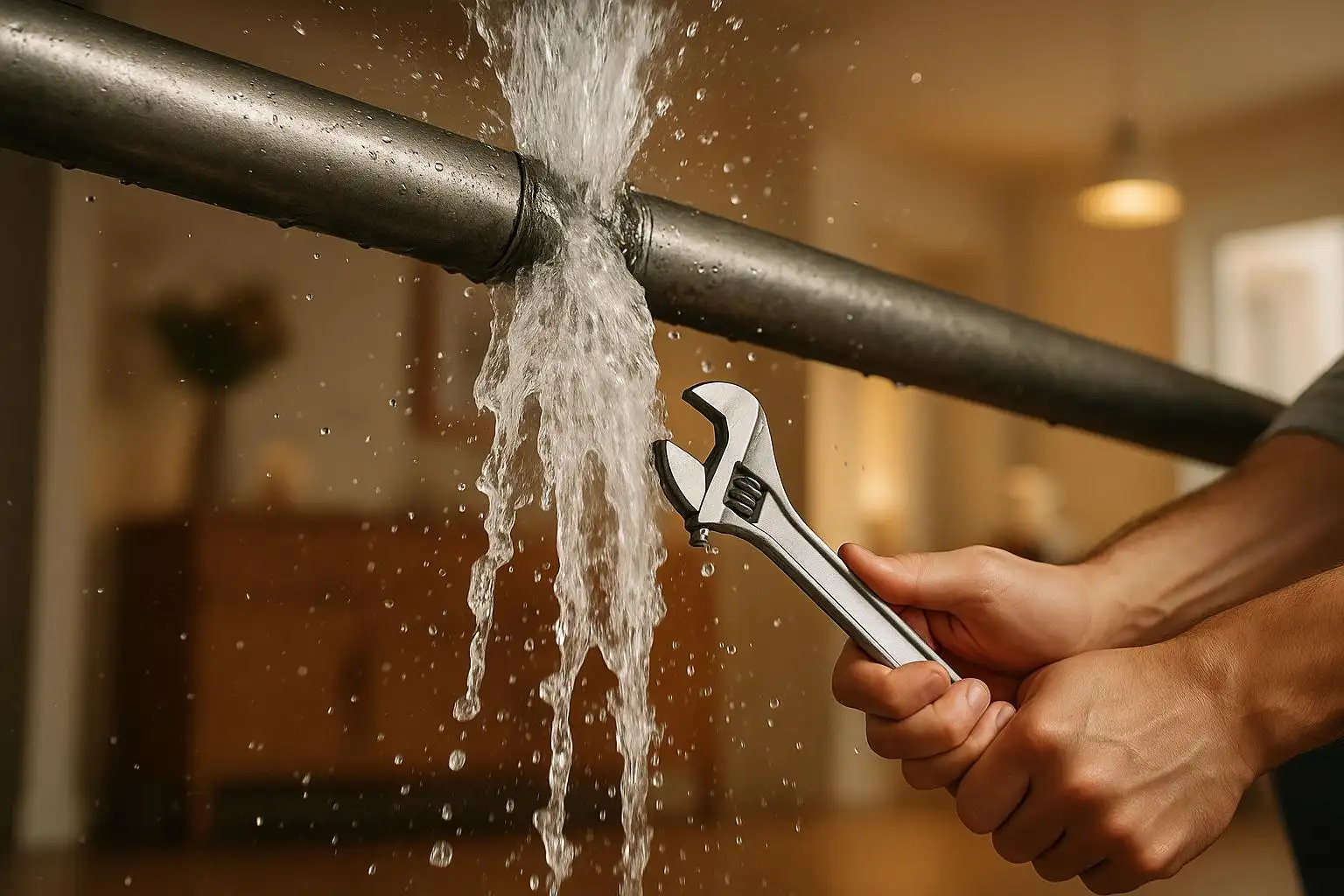
When a pipe bursts, quick action can save your home from severe water damage. Here’s what you need to do immediately:
- Turn Off the Main Water Supply: Stop the water flow to limit damage. Locate your main shutoff valve and turn it off.
- Shut Off Power in Affected Areas: Water and electricity are dangerous together. Cut power to water-damaged areas to avoid electrocution or fires.
- Drain the Pipes: Open all faucets and flush toilets to release remaining water and reduce pressure.
- Document Damage and Start Cleanup: Take photos and videos for insurance claims. Remove standing water and move items to dry areas.
- Call a Licensed Emergency Plumber: Professional repairs are essential to fix the issue properly and prevent future problems.
Acting fast can prevent thousands of dollars in damage, mold growth, and electrical hazards. If you're in Miami, our 24/7 emergency plumbing services are ready to help you handle the situation efficiently. Contact us immediately for fast response.
How to Repair a Burst Pipe
Step 1: Turn Off the Main Water Supply
The moment you discover a burst pipe, the first thing to do is stop the water flow. Every second matters – letting water continue to flow can cause extensive damage to your floors, walls, and belongings.
Find the Main Water Valve
Knowing where your main water shutoff valve is located before an emergency can save you precious time. These valves are usually either gate valves (round handles) or ball valves (lever handles). You’ll often find them in one of these spots:
- Near the front foundation wall in basements
- In utility rooms close to water heaters
- In garages for slab-built homes
- Outside in marked "water" boxes near the street
If your home uses a well system, check near the pressure tank.
Still can’t find it? Home repair expert Timothy Dale offers this advice:
"If you can’t find the valve, contact the local water department for help. Even if they cannot help locate the valve, the water department can shut the water off at the curb stop, allowing you or a hired plumber to install a main water shutoff valve for the home."
Shut Off Water to Limit Damage
Once you’ve located the valve, turn it off immediately. For gate valves, twist the handle clockwise until it’s fully closed. For ball valves, rotate the lever 90° until it’s perpendicular to the pipe. If you’re unable to access your main shutoff valve during an emergency, contact your local water utility to shut off the supply at the curb stop.
Act fast – if you can’t find the valve quickly, don’t hesitate to call for professional help. Once the water is off, move on to Step 2: shutting off power in the affected areas.
Step 2: Shut Off Power in Water-Damaged Areas
Water and electricity are a deadly combination. Once you’ve stopped the water flow, the next crucial step is eliminating any electrical hazards in areas affected by water. This protects you from the risk of electrocution and prevents potential fires caused by short circuits.
Never walk through standing water to reach electrical outlets, appliances, or switches. Even a small amount of moisture can cause dangerous electrical faults. As Duke Energy advises, "Electric current passes easily through water, so stay away from downed electrical lines".
To turn off the power, locate your electrical panel. It’s usually a large, rectangular metal box mounted on a wall. You might find it in basements, garages, utility rooms, closets, laundry rooms, or even outside the house. In apartments, panels are often near kitchens or bathrooms. If you’re unsure where to look, check your home inspection report or consult a licensed electrician. Make sure you do this during daylight hours or while the lights are still on so you can have a flashlight ready once the power is off.
Before touching anything, ensure your hands are completely dry and that you’re standing on a stable, dry surface. Never attempt to replace a fuse or handle a circuit breaker with wet hands or while standing on a damp floor. If the area around your electrical panel is flooded, stop immediately and call your utility company for assistance before opening the panel box.
To safely shut off power, turn off each individual circuit first, then switch off the main breaker. This method minimizes the risk of electrical surges that could harm your home’s systems. Use a flashlight to inspect the area both before and after cutting the power.
Avoid touching water-damaged outlets or appliances. These should only be inspected and restored by a licensed electrician after a thorough evaluation.
If you have any doubts about safety procedures, contact an electrician right away. Entering a water-damaged home without proper precautions can result in severe, life-threatening electrical shock. A professional can safely shut off all power to your home and, if necessary, disconnect the electric meter.
Once the power is safely disconnected, you’re ready to move on to Step 3: Emptying Water from the Pipes.
Step 3: Empty Water from the Pipes
Once you’ve ensured electrical safety, the next step is to drain the remaining water from your plumbing system. This reduces pressure on the burst pipe, helps prevent mold growth, and gets the system ready for repairs.
Open All Faucets and Flush Toilets
Begin by opening all the faucets, starting with the lowest cold water taps in your home. Work your way up to the upper floors, ensuring all faucets are running at the same time. This method helps drain the system thoroughly and minimizes the risk of air pockets forming in the pipes.
Flush each toilet several times as well. Initially, the toilet tanks will refill using water still in the pipes, but they’ll eventually stop once the system is fully drained. When the water flow slows to a halt, you’ll know the pipes are empty.
Drain the Water Heater
Don’t overlook your water heater – it holds a significant amount of water that also needs to be drained. Start by turning off the water heater. For electric units, switch off the circuit breaker; for gas units, turn off the gas supply and extinguish the pilot light. This step prevents the heating elements from running dry, which could cause damage.
Allow the water to cool before proceeding to avoid burns. Once cooled, connect a garden hose to the drain valve at the bottom of the water heater and direct the other end of the hose to a safe drainage area. Open a hot water faucet in your home to let air into the tank, which prevents a vacuum from forming. Then, open the drain valve and let the water flow out until the tank is empty.
After draining, flush the tank with fresh water until the water runs clear. This helps remove any sediment that may have built up inside. Once finished, close the drain valve and disconnect the hose.
Do not turn the power or gas back on until a professional plumber has inspected the system and completed all necessary repairs. Attempting to restart the water heater prematurely could cause further damage or create safety risks.
To help the area dry faster, open windows and doors to improve air circulation. If you have fans or dehumidifiers, use them to speed up the drying process.
Once the drainage is complete, document the damage and begin cleanup efforts before reaching out to a professional for assistance.
sbb-itb-d8d3ac2
Step 4: Record Damage and Clean Up Water
Once you’ve shut off the water, disconnected power, and drained the pipes, it’s time to document the damage and start the cleanup process. Acting quickly here is key to supporting your insurance claim and preventing mold from taking hold.
Take Photos and Videos for Insurance Claims
Start by documenting the damage as soon as possible. This step can make or break your insurance claim, so be thorough.
"Take pictures or a video walk-through of the affected areas and make copies." – Justin Lee Lawrence, Writer
Begin with wide-angle shots to capture the entire scene, then focus on close-ups of specific areas of damage. Take clear photos and videos from multiple angles to ensure you capture the full scope of the water exposure. To stay organized, create a digital folder for each room affected.
Whenever possible, include the date and time in your documentation. Most smartphones automatically embed this information in the photo’s metadata, but it’s still a good idea to note it separately.
While photographing, make an inventory of damaged items. For each item, include a brief description, the purchase date, and an estimated value. Keep a detailed log of the damage and your cleanup efforts, noting dates, times, and descriptions of events. Save all communication with your insurance company, including emails, letters, and phone call records.
Clean Up Standing Water
Removing standing water quickly is critical to minimizing damage and preventing mold growth.
"Water can damage a house very fast, and it doesn’t take a lot to make a lot of damage." – Courtney Wilkinson, Vice President, Benjamin Franklin Plumbing
Wear protective gear like waterproof boots, gloves, goggles, and a face mask. Use a wet vacuum or a submersible pump to efficiently remove water. Open windows and doors to improve airflow, and use fans and dehumidifiers to speed up the drying process. Once the water is gone, disinfect all affected surfaces with a bleach solution to kill bacteria and mold spores.
With the area dry and disinfected, you can focus on safeguarding your belongings.
Move Items to Dry Areas
As you work on water removal, move valuable items to dry areas to prevent further damage. Elevate furniture on wood blocks or remove it from the affected space entirely. If items are already wet, transfer them to a dry location immediately to start the drying process. Using plastic sheeting or furniture covers can also help protect them during cleanup.
Clearing out water-damaged items not only helps the area dry faster but also gives you better access to inspect for structural issues. Keep an eye out for mold during and after the cleanup, especially in hidden spots like corners or behind furniture. If you notice signs of mold, it’s best to call in a professional rather than trying to handle it yourself.
Once you’ve documented everything, removed the water, and relocated salvageable items, your property is ready for professional repair and restoration. At this stage, contacting a plumber is the next logical step to ensure everything is addressed properly.
Step 5: Call a Licensed Emergency Plumber
Once you’ve taken steps to control the immediate damage, it’s time to bring in a professional. While your quick actions have helped minimize the situation, a burst pipe needs expert attention to ensure it’s repaired properly and doesn’t cause ongoing problems.
Why You Need a Professional
Licensed emergency plumbers provide the expertise needed for a long-term fix. When you call, be ready to share details like the location of the burst pipe and confirm that the water supply has been shut off. Hiring a professional isn’t just about convenience – it can actually save you money by preventing further damage that might result from DIY attempts. Plus, licensed plumbers are insured, which means you’re protected from liability if something goes wrong during the repair process. Their training also ensures they handle emergencies safely and efficiently.
It’s worth noting that delaying repairs can lead to bigger issues, including higher insurance claims and significant water waste. Acting quickly and relying on a trusted professional can make all the difference.
Hernandez Plumbing Emergency Services
If you’re in Miami, FL, and dealing with a burst pipe, Hernandez Plumbing is a reliable option. They offer 24/7 emergency services and come prepared with fully stocked trucks, allowing them to complete 91% of repairs on-site during their first visit.
One of the standout features of Hernandez Plumbing is their upfront pricing – there are no hidden fees, so you’ll know exactly what to expect before any work begins. While emergency plumbing services generally cost between $100 and $500, with rates often 1.5 to 3 times higher than regular service calls, their transparent pricing helps reduce the stress of unexpected expenses. As the company states:
"We understand that plumbing issues can be stressful…we have experienced, ready-to-serve plumbers."
Their team is fully licensed and insured, giving you peace of mind during a challenging situation. Hernandez Plumbing has been family-owned since 1972 and boasts over 50 years of experience. Their commitment to quality is reflected in their 100% satisfaction guarantee, a worry-free warranty on parts and labor, and an impressive 4.4-star rating on Yelp from 197 reviews.
In addition to emergency repairs, they offer services like leak detection, water line replacement when repairs aren’t feasible, and drain cleaning to address any debris that may have entered the system. For fast and reliable help, visit their website at (tel:305-428-3782).
Conclusion
Acting swiftly can make all the difference when dealing with a burst pipe. By taking these five key steps – turning off your main water supply, cutting power to affected areas, draining the pipes, documenting the damage, and contacting a professional – you can minimize repair costs and prevent significant structural damage. These immediate actions are crucial in reducing the impact of the situation and setting the stage for proper repairs.
A quick response not only limits property damage but also helps conserve water. On average, household leaks waste nearly 10,000 gallons of water each year. Addressing the issue promptly is essential for protecting your home and reducing unnecessary water loss.
While these emergency measures help mitigate immediate damage, lasting solutions require professional expertise. Plumbers bring specialized tools, offer warranties, and can diagnose hidden problems that might otherwise go unnoticed. They ensure the repairs are done safely and effectively, giving you peace of mind and protecting your property from future issues.
To avoid burst pipes altogether, regular maintenance and inspections are key. Preventative steps, like insulating pipes to avoid freezing, can save you from costly emergencies down the line. Being prepared and knowing how to act in an emergency will keep your home or business safe year-round.
For those in Miami, Hernandez Plumbing offers 24/7 emergency services with upfront pricing – delivering fast, reliable solutions when every second matters.
FAQs
What should I do if I can’t find my main water shutoff valve during a burst pipe emergency?
If you can’t find your main water shutoff valve during a burst pipe emergency, stay calm. Start by looking for an outdoor valve near the street or curb – it’s often there to control the water supply. If that doesn’t work, call your local water utility provider or a plumber right away for help. And remember, don’t try to force a stuck valve – it could make the situation worse.
How do I safely turn off power in a water-damaged area to avoid electrocution?
To safely cut power in an area affected by water, find your main electrical panel and turn off the main breaker before stepping into the damaged space. Never stand in water or handle electrical devices while doing this. If you’re uncertain or the situation seems dangerous, call a professional right away. Your safety should always come first.
What happens if you don’t fix a burst pipe right away?
Ignoring a burst pipe can cause major problems for your home. Water damage spreads fast, potentially destroying walls, floors, and cherished belongings. If left untreated, it can lead to the growth of mold and mildew, which can harm your family’s health. On top of that, extended water exposure can weaken the structural integrity of your home and create electrical dangers, increasing the chance of accidents. Waiting to fix the issue can also mean higher repair bills, as the damage becomes more severe and complicated to address. Taking swift action and getting professional help is crucial to safeguard your home and avoid escalating issues.
Need Professional Help?
Our licensed plumbers are ready to help with your emergency plumbing needs.