5 Signs You Need New Water Line Installation
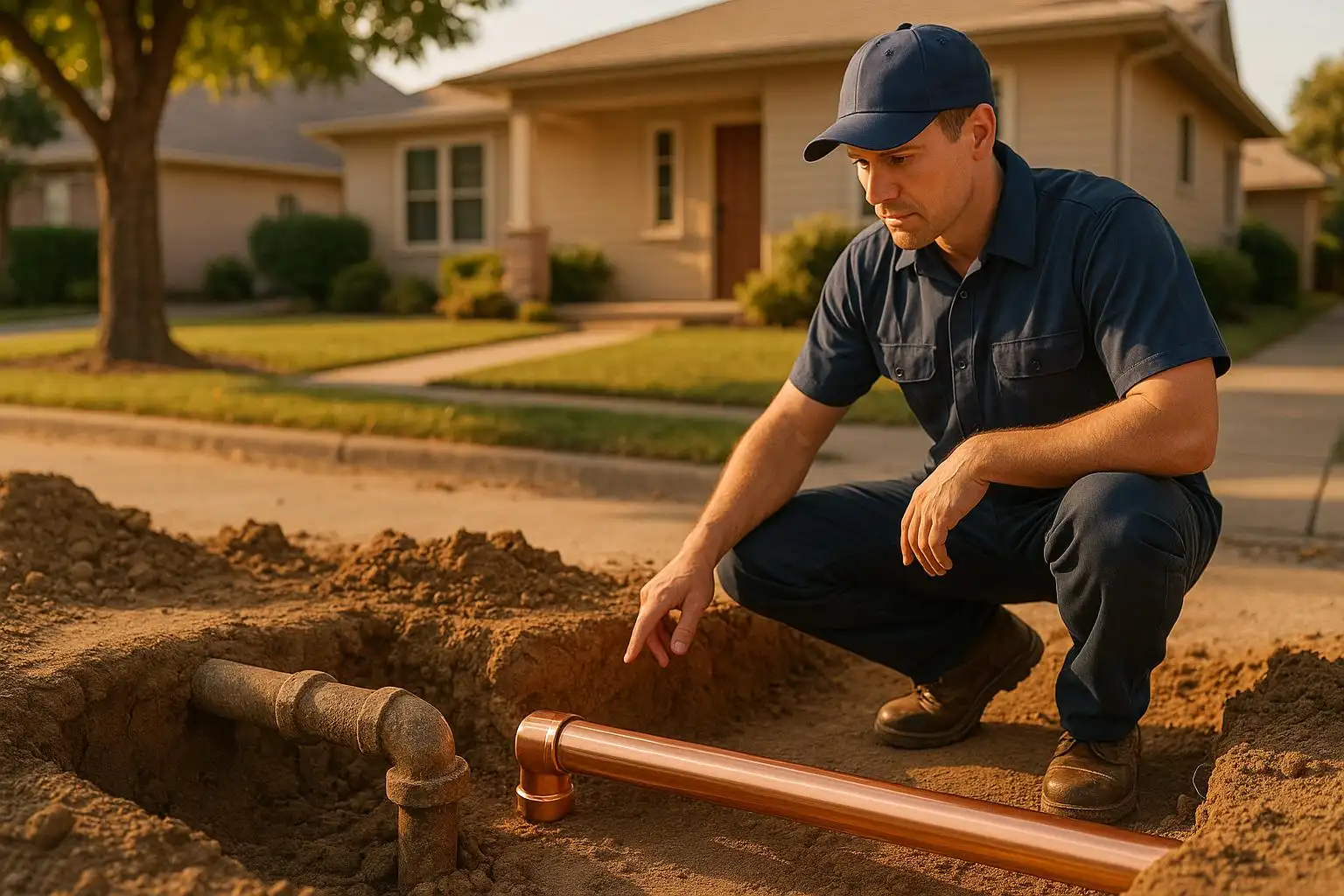
Your water line is critical for delivering clean water to your home, but aging or damaged pipes can lead to problems like leaks, low pressure, and water contamination. Ignoring these issues can result in costly repairs, health risks, and higher utility bills. Here are five signs you may need a water line replacement:
- How Water Line Upgrades Improve Pressure: This often indicates corroded or blocked pipes, especially in older homes with galvanized steel.
- Recurring leaks and water damage: Frequent leaks can damage your home’s structure and promote mold growth.
- Discolored or bad-smelling water: This suggests contamination, corrosion, or even sewage leaks in your water line.
- 7 Signs of Corrosion in Plumbing Pipes: Pipes made from outdated materials like cast iron or galvanized steel are prone to corrosion and failure.
- Unexplained high water bills: Hidden leaks can waste thousands of gallons of water, driving up your costs.
If you notice any of these issues, consult a professional plumber for an inspection. Acting quickly can help prevent severe damage, protect your health, and save money in the long run.
How to Know If You Need to Replace Your Pipes | Signs of Pipe Damage
1. Low Water Pressure Throughout Your Home
A faucet that barely trickles or a shower that feels like a gentle mist could be telling you something: your main water line might be in trouble.
When low water pressure affects your entire home – not just one fixture – it’s often a red flag. The problem likely lies with your main water line or the pipes leading into your house. And the bad news? It usually gets worse over time.
Impact on Water Supply Efficiency
Low water pressure isn’t just inconvenient – it can make your home’s water system work overtime. Your water heater and appliances have to push harder, which means they’re less efficient. Plus, leaks caused by pressure problems can waste up to 10,000 gallons of water a year, driving up your utility bills.
"Low water pressure is more than just a nuisance: it can be a sign of something problematic happening in a home’s plumbing." – The Steamboat Group
Common culprits like pipe corrosion, hidden leaks, or a faulty pressure regulator can strain your plumbing system and lead to bigger headaches.
Age and Material of Existing Pipes
The type and age of your home’s pipes play a big role in water pressure issues. If your house is over 40 years old and still has its original plumbing, there’s a good chance those pipes are galvanized steel. And here’s the catch: galvanized pipes typically last 40 to 50 years before corrosion starts choking off water flow.
As time goes on, rust and mineral deposits build up inside these pipes, creating significant blockages.
"All galvanized piping experiences this over time, which is why we now use copper, PEX, or CPVC piping. Galvanized piping was phased out around 1960." – Theplumber717, Lic Plumbing Contractor
Here’s a quick look at how different pipe materials hold up over time:
| Pipe Material | Typical Lifespan | Common Pressure Issues |
|---|---|---|
| Galvanized Steel | 40–50 years | Severe rust, internal scaling, major flow restrictions |
| Copper | 70+ years | Minor mineral buildup, slight pressure reduction |
| PVC | 50+ years | Minimal buildup, occasional joint failures |
| PEX | 50+ years | Excellent flow maintenance, heat-resistant |
Health and Safety Concerns
Low water pressure isn’t just annoying – it can also pose health risks. When pressure drops, water can stagnate in your pipes, creating a breeding ground for bacteria. This stagnant water can contaminate your supply, potentially impacting your family’s health.
These plumbing problems don’t just affect efficiency – they can also lead to escalating repair costs if left unchecked.
Cost Implications of Unresolved Issues
Ignoring low water pressure can quickly turn a small fix into a major expense. What starts as a $200 repair could spiral into a $1,000 emergency. And that’s just the beginning. Here’s what you might face if the issue is left unresolved:
- Water damage repairs: $1,500 to $3,500 on average
- Mold remediation: $2,000 to $6,000
- Emergency plumbing repairs: $150 to $250 per hour, with complex fixes hitting $600 or more
- Higher water bills: Hidden leaks can cost you hundreds of dollars a year
- Home value loss: Visible plumbing damage can decrease your home’s value by 10–20%
Addressing low water pressure early can save you a fortune. If you suspect your main water line is the problem, don’t wait. A professional inspection can pinpoint the issue and help you avoid costly repairs, water damage, or mold. For those in Miami, professional help could save you from further trouble.
Catching these signs early can make all the difference as you move on to identifying other potential plumbing issues.
2. Repeated Leaks and Water Damage
If you’re noticing 5 Signs You Need Emergency Water Line Repairs in your home, it’s a clear sign that your plumbing system might be failing. While low water pressure can hint at potential issues, recurring leaks are like flashing warning lights – they indicate that your water line infrastructure needs serious attention. Beyond being inconvenient, these leaks can jeopardize your home’s structure, safety, and even your health.
Age and Material of Existing Pipes
The type of pipes in your home plays a big role in how they show signs of wear and tear. For example:
- Copper pipes often develop discoloration or pinhole corrosion.
- Braided stainless-steel supply lines may rust or show frayed strands due to stress corrosion cracking.
- PEX tubing can crack or discolor when exposed to certain chemicals.
- CPVC pipes are prone to discoloration or cracking from heat damage.
Additionally, high water pressure – anything above 60 psi – can put excessive strain on your pipes, joints, and fixtures, significantly increasing the risk of leaks.
Potential for Structural Damage
Repeated leaks don’t just leave unsightly stains; they can compromise your home’s structural integrity in no time. Water can seep into materials like wood and drywall, leading to warping, rot, and extensive damage that may require costly repairs. In fact, water damage accounts for nearly 30% of all insurance claims in the U.S.. It’s not just about fixing a pipe – it’s about protecting your home from long-term damage.
Health and Safety Concerns
Leaky pipes create the perfect conditions for mold and mildew to thrive. Within just 24–48 hours, these damp areas can become breeding grounds for mold, which poses serious health risks. Mold exposure can cause asthma attacks, sinus congestion, coughing, and throat irritation. Some types of mold even produce toxins that may lead to chronic fatigue, headaches, and difficulty concentrating – especially dangerous for children, pregnant individuals, and those with weakened immune systems.
But that’s not all. Water from leaks can carry harmful bacteria and chemicals, potentially causing illnesses with symptoms like fever, diarrhea, and vomiting. The constant moisture also attracts pests, which can bring their own set of health risks. If you've had water damage from leaky pipes, professional mold testing can help determine whether mold has taken hold and guide next steps.
"Water losses can be avoided through regular maintenance or simple proactive repairs." – Travelers Insurance
Cost Implications of Unresolved Issues
Ignoring repeated leaks can hit your wallet hard. Water damage already costs homeowners billions of dollars each year. In fact, insurance claims related to water damage skyrocketed from 44% of total claims costs in 2013 to over 60% by 2018.
Here’s how unresolved leaks can rack up expenses:
- Emergency plumbing repairs during inconvenient times
- Structural repairs to walls, floors, and even foundations
- Mold remediation and improving air quality
- Replacing damaged furniture, flooring, and personal items
- Temporary housing costs during extensive repairs
- Lower property value due to visible water damage
Shockingly, about 75% of all real estate water damage losses are tied to problems with plumbing, HVAC systems, or appliances. If leaks are ignored, the problem doesn’t just go away – it gets bigger and more expensive to fix.
For homeowners in Miami dealing with recurring water line issues, getting a professional assessment is a smart first step. Professional plumbers offer thorough evaluations to determine whether your system needs a complete water line replacement before the damage becomes catastrophic. Spotting these patterns early can save you both stress and money in the long run.
3. Discolored or Bad-Smelling Water
If your water looks murky or has an unpleasant smell, it’s more than just an inconvenience – it’s often a sign of serious water line problems. These issues can point to contamination, corrosion, or even sewage leaks, all of which can threaten your family’s health and the integrity of your home. This concern ties into other warning signs of failing water lines already discussed.
Health and Safety Concerns
Aging or damaged water lines can introduce contaminants into your water supply, creating immediate health risks. For instance, older pipes may leach lead, which can cause developmental problems in children and serious health issues in adults. Contaminated water can also trigger gastrointestinal problems, such as diarrhea, nausea, and stomach cramps. Stagnant water in damaged pipes is another hazard, as it can harbor Legionella bacteria, which may lead to respiratory infections like Legionnaires’ Disease. Sewage backups are even more concerning, as they can introduce harmful pathogens like E. coli, Salmonella, and Hepatitis A, potentially causing gastroenteritis or skin infections. If your water smells like rotten eggs, this could indicate venting problems or dry P-traps, which allow dangerous sewer gases to escape into your home.
The risk of these health hazards increases significantly with older or poorly maintained plumbing systems.
Age and Material of Existing Pipes
The materials used in older pipes are often more prone to corrosion and deterioration. For example, polybutylene pipes, common in older homes, tend to break down over time, leading to water discoloration. Replacing outdated pipes with modern options like PEX or copper can help maintain water quality and extend the life of your plumbing system.
Impact on Water Supply Efficiency
As pipes age, corrosion and sediment buildup can clog water lines, restricting flow and lowering water pressure. This inefficiency doesn’t just affect your faucets – it impacts your water heater too. Sediment buildup can cause slow heating and inconsistent hot water, leading to higher energy bills and potentially costly repairs. When water flow is compromised, every fixture in your home feels the effects.
Potential for Structural Damage
Discolored or leaking water can lead to significant structural damage over time. Persistent leaks may cause wood to rot, drywall to crumble, and even weaken your home’s foundation. What might start as minor discoloration can escalate into a major issue, such as a burst pipe, resulting in severe flooding and property damage. Additionally, constant moisture from leaks creates the perfect environment for mold growth, which not only harms your home’s structure but can also attract pests.
Cost Implications of Unresolved Issues
Ignoring water quality problems can lead to hefty expenses. Emergency plumbing repairs typically range from $100 to $500 per hour for standard issues, but more complex repairs can easily exceed $600 per hour. If you need service during nights, weekends, or holidays, expect those rates to double or even triple.
"Small leaks and clogs may not seem urgent, but left unchecked, they can lead to water damage, mold growth, and costly repairs." – Modernize
Beyond repair costs, ongoing plumbing issues can lower your home’s resale value, increase water bills due to waste, and shorten the lifespan of appliances. Insurance policies often limit coverage for damage caused by neglected repairs, leaving homeowners to cover significant expenses out of pocket.
For homeowners in Miami experiencing water quality problems, getting a professional evaluation is crucial. A professional plumber can assess your water line system and determine whether a full replacement is necessary to safeguard your family’s health and protect your property investment.
4. Old or Corroded Pipes
The condition and age of your home’s pipes can significantly influence whether a full water line replacement is necessary. Over time, pipes degrade, and some materials wear out faster than others. Spotting the warning signs of aging pipes early can save you from expensive emergencies and protect your home’s value. Let’s dive into how older materials impact water flow, efficiency, and even safety.
Age and Material of Existing Pipes
Understanding the lifespan of your pipes is key to planning replacements before problems arise. For example, cast iron pipes, often used in homes built before the 1960s, usually last 50–75 years but are highly susceptible to rust and corrosion. Similarly, galvanized steel pipes, popular from the 1930s to the 1980s, tend to corrode significantly after 40–50 years, leading to reduced water flow and potential contamination.
If your home has polybutylene pipes, installed between 1978 and 1995, replacement should be a top priority. These pipes are known for becoming brittle and failing prematurely, regardless of their current condition. On the other hand, modern materials like PEX and copper are more durable and reliable, making them better long-term options.
Impact on Water Supply Efficiency
As pipes age, rust and mineral deposits can build up inside, narrowing the diameter and restricting water flow. This not only lowers water pressure at your fixtures but also forces your water pump to work harder, increasing energy use. For homes with galvanized steel pipes, the buildup can become so severe that it impacts the entire plumbing system, not just individual faucets.
Health and Safety Concerns
Aging pipes can also pose serious health risks. Lead pipes and lead solder, common in homes built before 1986, can leach harmful levels of lead into your drinking water. According to the EPA, no amount of lead exposure is safe, particularly for children and pregnant women. Beyond lead, deteriorating pipes may foster the growth of biofilms, which can harbor bacteria like Legionella, the culprit behind Legionnaires’ disease.
Potential for Structural Damage
Old pipes don’t just affect water quality – they can also threaten your home’s structural integrity. Small leaks, often hidden behind walls or under floors, can go undetected for months, causing gradual damage to walls, foundations, and flooring. When pipes finally rupture, they can release hundreds of gallons of water per hour, leading to flooding. This creates the perfect conditions for mold growth, which can further harm indoor air quality and require costly remediation.
Cost Implications of Unresolved Issues
Ignoring aging pipes can lead to financial headaches that far outweigh the cost of proactive replacements. Repairs for plumbing issues can range from $600 to $5,000, while water damage claims average $12,514. Mold remediation and structural repairs from neglected leaks can drive costs even higher . Even something as small as a dripping faucet can waste over 3,000 gallons of water annually . To make matters worse, most homeowners insurance policies don’t cover damage caused by gradual leaks or wear and tear, leaving you to foot the bill.
When old pipes start affecting efficiency, safety, and structural integrity, it’s crucial to act quickly. Addressing these issues now can safeguard your home and save you money in the long run. For Miami homeowners, a professional evaluation can be a game-changer. Professional plumbers specialize in cast iron pipe replacement and can help determine whether your aging plumbing system needs immediate attention or a complete overhaul to avoid costly disasters.
5. Unexplained High Water Bills
If your water bill suddenly skyrockets without any noticeable change in your water usage, it’s a clear sign that something might be wrong with your water line. While small increases could be due to seasonal shifts or rate changes, a sharp, unexpected hike often points to hidden leaks. These aren’t the typical drips under your sink – they’re often concealed behind walls, underground, or beneath your property, making them easy to miss but costly to ignore.
Hidden Leaks and Water Waste
Hidden leaks can waste massive amounts of water before you even realize there’s an issue. To put it into perspective:
- A 1/8-inch leak can waste 3,806 gallons per day, adding up to 114,200 gallons per month.
- A 1/4-inch leak wastes 15,226 gallons daily, or 456,800 gallons monthly.
- A 1/2-inch leak can drain 60,900 gallons per day, totaling a staggering 1,827,000 gallons per month.
These leaks can account for 13.8% of a household’s water use, meaning a significant chunk of your water bill could be for water you never actually use. Beyond the financial hit, this wasted water can lead to broader problems, including damage to your home’s foundation.
Structural Risks of Underground Leaks
Underground leaks don’t just waste water – they can wreak havoc on your property. Constant water seepage can saturate the soil around your home, leading to issues like sinkholes, cracked concrete, or even foundation settling. Warning signs might include:
- Unusually green or dying patches of grass
- Water pooling in your yard
- A faint hissing sound near your water meter
What starts as a minor leak can escalate into major structural damage, impacting sidewalks, driveways, and your home’s foundation. These problems are not only disruptive but also expensive to fix.
Financial Consequences of Ignoring the Problem
Brushing off unexplained spikes in your water bill can lead to far more than just high utility costs. Water damage from underground leaks often results in expensive repairs, such as foundation stabilization, landscaping fixes, or concrete replacements. Over time, these costs can add up significantly.
To catch hidden leaks early, turn off all water fixtures in your home and check your water meter. If the meter is still moving, you likely have a leak that needs immediate attention from a professional.
| Leak Size | Daily Water Waste | Monthly Water Waste |
|---|---|---|
| 1/8 inch | 3,806 gallons | 114,200 gallons |
| 1/4 inch | 15,226 gallons | 456,800 gallons |
| 1/2 inch | 60,900 gallons | 1,827,000 gallons |
Unexplained increases in water bills should never be ignored. If you’re also noticing signs like damp spots, water stains, or mold, it’s time to act. For Miami homeowners, professional plumbers offer expert leak detection services to pinpoint the problem. Whether it’s a repair or a full water line replacement, addressing the issue promptly can save you money and protect your home from further damage.
Conclusion
Spotting these five warning signs early can protect your home from costly water damage and sky-high utility bills. They’re clear indicators that your water line needs professional attention.
Ignoring these problems can lead to much bigger headaches, like foundation damage, health hazards, and escalating water costs. That’s why taking action promptly is so important.
When it comes to water line issues, getting a professional assessment is essential. These situations often involve underground pipes and complex plumbing systems that require specialized tools and expertise. Attempting DIY fixes on such problems can not only make things worse but also lead to even higher repair expenses in the long run.
For homeowners in Miami dealing with water line troubles, Hernandez Plumbing is here to help. They offer 24/7 emergency services, upfront pricing, and expert leak detection to uncover hidden problems before they spiral out of control. Their licensed technicians are equipped to handle both residential and commercial water line replacements, tackling issues like corroded cast iron pipes and recurring leaks.
Don’t wait until it’s too late. If you’ve noticed any of these warning signs in your home, reach out to Hernandez Plumbing today. Acting quickly can save your property and your wallet from unnecessary damage.
FAQs
What health risks can old or corroded water pipes cause in my home?
Old or deteriorating water pipes pose more than just structural problems – they can directly impact your health. Over time, these pipes may release harmful substances into your water supply, such as lead, rust, or toxic metals like cadmium and hexavalent chromium. Exposure to these contaminants can result in serious health problems, including organ damage and even an increased risk of cancer.
On top of that, older pipes often provide the perfect breeding ground for bacteria, such as Legionella, which can cause severe respiratory illnesses. To keep your water safe for drinking, cooking, and bathing, replacing outdated pipes is a crucial step.
Why is my water bill unusually high, and could it be caused by a hidden water line leak?
If you’ve noticed an unusually high water bill, a hidden leak in your water line might be the culprit. One quick way to check is by reading your water meter. Take a reading, ensure no water is used for a few hours, and then check the meter again. If the numbers have changed, there’s a good chance you have a leak.
Other telltale signs of hidden leaks include soggy or wet spots in your yard, mysterious water stains on walls or ceilings, or a sudden drop in water pressure.
For pinpoint accuracy, tools like moisture meters or thermal cameras can help identify the problem. However, if you suspect a leak, it’s smart to call a professional plumber. They can locate and fix the issue quickly, saving you from potential damage and escalating costs.
What should I do if my water is discolored or smells bad?
If your water looks discolored or has an unpleasant smell, it’s best to avoid using it for drinking, cooking, or bathing until you address the issue. Start by running all the faucets in your home for a few minutes – this can help flush out any buildup, like rust or bacteria, that might be causing the problem. If the odor remains, especially if it smells like rotten eggs, sulfur bacteria could be the culprit. To tackle this, you can disinfect your water heater by using a chlorine solution and temporarily increasing the temperature to 160°F for a few hours to kill off the bacteria.
If flushing and disinfecting don’t resolve the issue, the problem might be more serious, such as corrosion or contamination in your water line. At this point, it’s a good idea to call a professional plumber. They can inspect your system and determine whether repairs or even a water line replacement might be necessary.
Need Professional Help?
Our licensed plumbers are ready to help with your water line services needs.