10 Water-Saving Tips for Homeowners
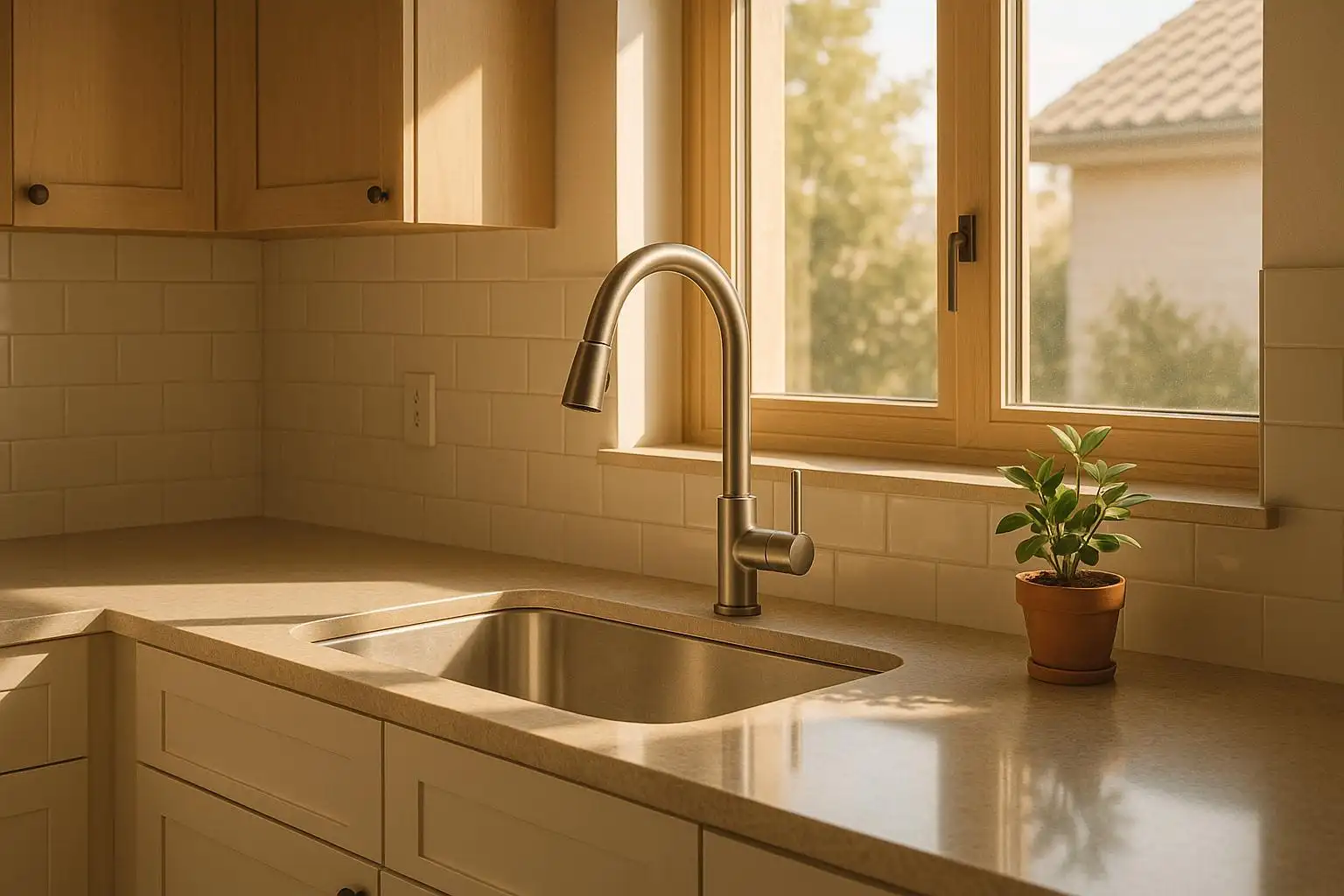
Water conservation at home is easier than you think. By making small changes, you can save money on water bills, reduce energy use, and help preserve limited freshwater resources. Here are 10 practical ways to cut water waste:
- Install Low-Flow Fixtures: Save up to 5,000 gallons per year with low-flow showerheads, faucets, and toilets. Costs start as low as $15, and most installations are DIY-friendly.
- Fix Leaks: Even small leaks can waste gallons daily. Repairing them can cut water bills by 10% or more.
- Upgrade to Water-Efficient Appliances: ENERGY STAR washing machines and dishwashers use significantly less water and energy, paying for themselves over time.
- Take Shorter Showers: Reducing shower time by just 1-2 minutes can save hundreds of gallons annually.
- Run Full Loads: Only run dishwashers and washing machines when fully loaded to maximize water efficiency.
- Turn Off the Tap: Don’t let water run while brushing your teeth or shaving – this simple habit can save up to 8 gallons daily.
- Collect Rainwater: Use rain barrels to water your garden and reduce outdoor water use by up to 60%.
- Water Lawns Efficiently: Water early in the morning, use drip irrigation, and focus on drought-resistant plants to reduce irrigation needs.
- Reuse Greywater: Where permitted, reuse water from sinks or showers for non-drinking purposes like watering plants.
- Track Your Water Usage: Use smart water monitors or check your water meter regularly to identify waste and save up to 25%.
These steps are cost-effective and easy to implement. Start with simple habits like fixing leaks or taking shorter showers, then explore upgrades like low-flow fixtures or efficient appliances for long-term savings. Every drop saved contributes to a more water-conscious home.
The Ultimate Way to Save Water from Home – 25 Easy Water-Saving Tips for a Home Sustainable
1. Install Low-Flow Fixtures
Low-flow fixtures are a smart way to cut down on water use at home without sacrificing performance. These fixtures are designed to use less water while maintaining good water pressure. For example, showerheads with a flow rate of 2.0 gallons per minute (GPM) or less still provide a satisfying experience compared to older models that often use 2.5 GPM or more. Similarly, low-flow faucets typically use around 1.5 GPM, whereas traditional ones consume about 2.2 GPM.
Water Savings Potential
Switching to low-flow fixtures can lead to significant water savings over time. A family of four using low-flow showerheads could save about 2,900 gallons of water per bathroom every year. Replacing standard faucets with low-flow versions can save an additional 700 gallons annually per fixture. Together, these changes can add up to over 5,000 gallons of water saved each year.
Low-flow toilets take the savings even further. Older models use between 3.5 and 7 gallons per flush, but WaterSense-labeled toilets use just 1.28 gallons per flush. For a household of four, replacing one old toilet could save roughly 13,000 gallons of water annually.
Cost-Effectiveness
The upfront cost of low-flow fixtures is often offset quickly by lower utility bills. You can find quality low-flow showerheads for $15 to $50, and faucet aerators for as little as $2 to $5. These typically pay for themselves within 6 to 12 months of use.
Bigger upgrades, like low-flow toilets, are priced between $200 and $500. Although they require a larger investment, they usually pay off within two to three years, thanks to annual water savings of $100 to $200. With a lifespan of 15 to 20 years, these fixtures deliver long-term financial benefits.
Ease of Installation
Installing most low-flow fixtures is straightforward and doesn’t require extensive tools or expertise. A showerhead can be installed in about 15 minutes, and faucet aerators take less than 5 minutes to screw on. Low-flow toilets, on the other hand, are a bit more complex. They involve tasks like reconnecting water lines and ensuring proper seals. While confident DIYers might handle this themselves, many prefer hiring a professional. Using experienced plumbers, such as those at (tel:305-428-3782), ensures the installation is done properly and maintains any warranties.
Environmental Impact
Beyond saving money, low-flow fixtures help conserve environmental resources. Using less water eases the strain on local water supplies and municipal treatment plants. Plus, heating less water reduces energy consumption – important since water heating accounts for about 18% of household energy use.
When many homes adopt these fixtures, the collective impact can be substantial. Reduced water demand helps preserve local resources during droughts and minimizes the need for costly infrastructure upgrades. In this way, low-flow fixtures are a simple yet impactful step toward conserving water and energy on a broader scale.
2. Fix Leaks Right Away
Even the tiniest leaks can waste water and inflate your utility bills. A dripping faucet or a running toilet may not seem like a big deal, but over time, these small issues can lead to significant water loss.
Common household leaks include dripping faucets, running toilets, and worn-out pipe joints. For example, a toilet flapper that doesn’t seal properly or a faucet with a worn washer can waste gallons of water daily. Taking care of these problems promptly helps prevent unnecessary water loss and keeps your bills under control.
Water Savings Potential
Fixing leaks can save a surprising amount of water. According to the EPA, many households lose more water than they realize due to small, overlooked leaks. Addressing these issues is a simple yet impactful way to reduce overall water consumption.
Cost-Effectiveness
Repairing leaks is not only good for the environment but also for your wallet. Simple fixes, like replacing a flapper or a faucet washer, are usually inexpensive and can often be handled as DIY projects. These quick repairs can lead to noticeable savings on your water bill over time.
For more complex leaks that require professional help – such as those hidden behind walls or under floors – the upfront cost is often quickly offset by the savings from stopping water waste. Addressing leaks early is a smart move for both your finances and water conservation efforts.
Ease of Implementation
Many leak repairs are straightforward and can be done with basic tools. For instance, shutting off the water and replacing a faulty flapper or washer is a task most homeowners can handle.
However, some leaks are trickier and need professional expertise. Hidden leaks, such as those behind walls or in underground pipes, often require advanced tools like electronic listening devices or thermal imaging cameras to locate the problem accurately. In these cases, hiring a professional plumber is the best option.
For residents in Miami, FL, professional plumbers offer specialized leak detection services, using state-of-the-art equipment to find and fix hidden leaks before they cause major damage.
Whether you tackle the repair yourself or call in a pro, acting quickly ensures you reap the benefits of water conservation and cost savings.
Environmental Impact
Fixing leaks isn’t just about saving money – it’s also about protecting our water resources. This is especially important during times of drought or water scarcity. By repairing leaks, you help reduce the strain on municipal water systems and cut down on the energy needed for water treatment and distribution. Every repair, no matter how small, plays a role in supporting community efforts to conserve water and protect the environment.
3. Upgrade to Water-Efficient Appliances
Switching to water-efficient appliances is a smart move for conserving water and cutting down on utility bills. Modern ENERGY STAR and WaterSense models are designed to use significantly less water while maintaining top-notch performance. For example, older washing machines consume far more water compared to newer ENERGY STAR-certified models. The same goes for dishwashers and water heaters – modern dishwashers use less water per cycle, and tankless water heaters eliminate standby energy losses.
When shopping for new appliances, keep an eye out for the WaterSense label from the Environmental Protection Agency or ENERGY STAR certification. These labels guarantee that the appliance meets strict efficiency standards without compromising on quality. Below, we’ll break down the benefits of upgrading, from water savings to installation tips.
Water Savings Potential
Replacing older appliances with water-efficient models can lead to a noticeable drop in your household’s overall water consumption. Each upgraded fixture contributes to long-term water conservation, making your home more efficient and eco-friendly.
Cost Benefits
While water-efficient appliances may have a higher upfront cost, the long-term savings on your water and sewer bills often make up for it. In fact, many of these appliances pay for themselves within just a few years. Plus, you might qualify for rebates from local utilities or government programs, which can further reduce the initial expense.
Installation Tips
Installing water-efficient dishwashers and washing machines is usually straightforward, as most models are designed to connect easily to existing water and electrical lines. However, upgrading to a tankless water heater can be more complex. These systems often require adjustments to gas lines, electrical wiring, or venting, which might necessitate professional installation. Depending on local building codes, permits could also be required. For those in Miami, local plumbers offer reliable installation services for such upgrades.
Environmental Benefits
Choosing water-efficient appliances has a broader positive impact on the environment. Lower water usage reduces the strain on local water treatment facilities and cuts down on the energy needed to heat and process water. Additionally, many modern appliances are built with sustainability in mind. They often include recycled materials and are designed for easier recycling at the end of their lifespan, helping to reduce waste and conserve resources further.
4. Take Shorter Showers
Cutting down your shower time is one of the easiest ways to save water at home. Showers typically use between 2 and 5 gallons of water per minute, so even small adjustments can lead to big savings – without costing you a dime.
Water Savings Potential
Just shaving one minute off your shower can conserve around 550 gallons of water per year. Stretch that to two minutes, and you’re looking at saving an additional 150 gallons every month. To put it into perspective, if all 320 million people in the U.S. reduced their shower time by a single minute, the nation could save a staggering 165 billion gallons of water annually, along with the energy required to heat it.
Making It Happen
Shorter showers don’t have to feel like a chore. A few simple tricks can make the habit easy to stick to. For instance, using a timer is a great way to stay on track – set one for your ideal shower length and aim to finish before it buzzes. Or, create a playlist of two or three songs to serve as your shower soundtrack; when the music stops, so should the water.
Another effective approach is the "stop-and-go" method. Start by wetting your body and hair, then turn off the water while you lather up and shampoo. Turn it back on only when it’s time to rinse. Building a consistent routine helps too – know exactly what you need to do during your shower to avoid lingering.
If you need extra motivation, try rewarding yourself after a quick shower. A warm cup of coffee or a few minutes with your favorite book can make sticking to shorter showers more rewarding. These small changes not only conserve water but also complement other efforts, like improving the efficiency of your home appliances.
5. Run Full Loads in Dishwashers and Washing Machines
Making the most of every wash cycle is a simple yet effective way to cut down on water waste. Dishwashers and washing machines use a set amount of water per cycle, regardless of whether they’re half-full or completely loaded. Running partial loads means you’re using the same amount of water and energy but getting less done, which adds up to unnecessary waste.
Water Savings Potential
Since these appliances consume a fixed amount of water per cycle, waiting to run them until they’re fully loaded ensures you’re using water and energy as efficiently as possible. Each cycle becomes more productive, making the most out of every gallon of water and reducing the energy needed to heat it.
Ease of Implementation
This habit is incredibly easy to adopt – it just takes a small adjustment in how you manage your chores. Instead of running a cycle as soon as you see a few dirty dishes or clothes piling up, hold off until you’ve got enough for a full load. For instance, let dishes accumulate until your dishwasher is packed, or wait to do laundry until you have enough to fill the washing machine.
Cost-Effectiveness
By running full loads, you’ll not only save water but also cut down on the energy used to heat it. This simple shift in habit can lower your utility bills without requiring any extra spending. Over time, this practice contributes to noticeable savings and pairs well with other water-saving efforts in your home.
6. Turn Off the Tap When Not in Use
Turning off the tap when it’s not needed – whether you’re brushing your teeth, washing your face, or shaving – can make a big difference in reducing water waste. It might feel like a small step, but it adds up over time.
Take brushing your teeth, for example. Many people leave the water running the entire time, even though it’s only needed for a few seconds. Shutting it off in between can lead to noticeable savings.
Water Savings Potential
By simply turning off the tap during your morning and nighttime brushing routines, you could save up to 8 gallons of water a day. Over a month, that’s more than 200 gallons! To put that into perspective, the average faucet uses about 2 gallons of water every minute it’s running.
Easy to Adopt
This habit doesn’t require any special tools or equipment – just a small change in how you go about your daily routine. Start with something simple, like focusing on turning off the tap while brushing your teeth, and let it become second nature.
Saves Money Too
Using less water doesn’t just help the planet – it can also help lower your water bill. You’ll start seeing savings almost immediately.
Why It Matters
Fresh water is a limited resource. With nearly 97% of the Earth’s water being undrinkable, every drop we save counts. By making this small change, you’re not just saving water – you’re helping to ensure there’s enough for future generations.
7. Collect and Reuse Rainwater
Instead of letting rainwater disappear down storm drains, why not put it to good use? By collecting rainwater from your roof, you can cut down on your reliance on municipal water supplies, save money on your bills, and make the most of this free resource. Starting is as simple as setting up a rain barrel, though more advanced systems are also an option. It’s a practical way to complement other water-saving measures.
Water Savings Potential
Did you know that just one inch of rain on a 1,000-square-foot roof can produce around 623 gallons of water? In areas with moderate rainfall, this could mean capturing 1,000 to 2,000 gallons in a single month during rainy seasons. That’s a lot of water you can use for tasks like watering your garden, washing your car, or even filling a pool. Many homeowners report cutting their outdoor water use by as much as 40–60% during peak collection months, making a noticeable dent in their water bills.
Cost-Effectiveness
Getting started doesn’t have to break the bank. A basic rain barrel setup costs between $50 and $150 and can often be installed in just a few hours. These systems typically hold 50–80 gallons and connect directly to your downspout, making them a simple and affordable option.
If your water needs are larger – say, for extensive landscaping or other uses – you can invest in more advanced systems. Options like multiple barrels or underground cisterns range from $500 to $3,000. While the upfront cost is higher, these systems often pay for themselves in 2 to 4 years through savings on your water bills.
Ease of Implementation
The beauty of rainwater collection is how easy it is to set up. For a basic system, place a rain barrel under a downspout, attach a diverter to channel the water, and secure a lid to keep out debris and mosquitoes.
Most systems include a few key components: a food-grade barrel or container, a downspout diverter, a spigot to access the water, and a screen or filter to block debris. Many home improvement stores sell complete kits with everything you need. Maintenance is straightforward – just clean your gutters regularly, check for leaks, and winterize the system if you live in a colder climate.
Environmental Impact
Harvesting rainwater doesn’t just benefit your wallet – it helps the environment, too. By reducing your reliance on municipal water, you ease the strain on public water systems. Plus, capturing rainwater on your property helps reduce stormwater runoff, which can carry pollutants into local waterways and contribute to flooding and erosion.
Rainwater is also naturally soft and free from the chemicals found in treated municipal water, making it ideal for plants. Gardeners often notice healthier growth when using rainwater, as it lacks chlorine and other additives that can hinder plant development.
If you’re in the Miami, FL area and need professional help with installation or maintenance, professional plumbers offer expert services to get you started or keep your system running smoothly.
8. Water Lawns and Gardens More Efficiently
Your outdoor spaces don’t have to be water guzzlers. With smart watering practices and a bit of planning, you can keep your lawn and garden thriving while cutting back on water use. The trick is to align your watering habits with nature – timing it just right, focusing water where it’s needed most, and choosing plants that naturally flourish in your local climate.
Water Savings Potential
Outdoor watering often accounts for a large chunk of household water use, especially during warmer months. But by watering wisely, you can significantly cut back without sacrificing plant health. For instance, deep and infrequent watering encourages plants to grow deeper roots, making them more resilient to drought and reducing their overall water needs. On the other hand, daily light sprinkling not only wastes water but can also lead to shallow root systems.
Drip irrigation systems are a game changer. They deliver water directly to the roots, minimizing losses from evaporation and runoff – something traditional sprinklers struggle with. These systems use less water to cover the same area, all while improving plant health and trimming your water bill.
Cost-Effectiveness
Efficient watering doesn’t just save water – it saves money. Affordable drip irrigation kits are available for small gardens, and for larger yards, professionally installed systems can quickly pay for themselves through reduced water bills.
Smart sprinkler controllers are another great option. These devices automatically adjust watering schedules based on weather forecasts and soil moisture levels, ensuring you use only what’s needed. Adding organic mulch around your plants is another simple yet effective way to retain soil moisture and reduce evaporation, helping you save even more during the growing season.
Ease of Implementation
Improving your watering habits doesn’t require a complete yard makeover. For starters, watering early in the morning reduces evaporation, giving plants more time to absorb moisture before the heat kicks in.
You can also test your soil’s moisture levels to avoid overwatering, and group plants with similar water needs – known as hydrozoning – to make your irrigation even more efficient. Adding a rain sensor to your existing sprinkler system is a simple DIY upgrade that prevents unnecessary watering during and after rain showers.
Environmental Impact
Efficient watering isn’t just good for your wallet – it’s good for the planet. By reducing overwatering, you can help prevent nutrient runoff, which protects local waterways and conserves groundwater. Opting for native, drought-tolerant plants not only reduces your irrigation needs but also supports local wildlife and cuts back on the need for chemical fertilizers and pesticides.
Proper watering also promotes evapotranspiration – a natural cooling process that can lower surrounding temperatures. In some cases, this cooling effect might even reduce your reliance on air conditioning during the hottest months.
If you’re thinking about upgrading your irrigation system or need help with water line installation, professional plumbers offer expert services to help you maximize your outdoor water efficiency.
9. Reuse Greywater Where Allowed
Greywater refers to wastewater from sinks, showers, bathtubs, and washing machines that has minimal fecal contamination. Reusing it can help significantly cut down on water usage.
Water Savings Potential
In homes with traditional flush toilets, greywater accounts for about 65% of the total wastewater produced. While it isn’t entirely free of pathogens, it’s ideal for non-drinking purposes, such as watering ornamental plants, trees, and shrubs. However, it’s not recommended for food crops.
Environmental Considerations
Greywater can carry small amounts of contaminants like microbeads and microfibers. Homeowners should consider these when planning how to reuse it. Incorporating greywater reuse into your routine can complement other water-saving efforts, helping to lower your household’s overall water consumption.
To make the most of greywater reuse, a well-designed system is essential. If you’re thinking about setting up a greywater system or need help with plumbing modifications, professional plumbers offer services to design and install systems that align with local regulations and maximize water efficiency.
10. Track Your Water Usage
Keeping an eye on your water use can help you identify inefficiencies and measure the impact of any water-saving efforts. Many homeowners underestimate just how much water they use daily, making it harder to notice issues or see the benefits of conservation changes.
Water Savings Potential
Using smart water monitors can reveal patterns in your water usage that highlight inefficiencies. Did you know the average household uses around 300 gallons of water a day? Tracking your usage often uncovers unexpected spikes, with some households realizing they’re using 20–30% more water than necessary simply because they weren’t paying attention to their habits.
Another simple method is regularly reading your water meter. Pick a consistent time each week to check and record the numbers. This habit can help you spot gradual increases, which might signal leaks or inefficient appliances before they turn into expensive problems.
Analyzing your monthly water bill adds another layer of insight. Compare usage across seasons to distinguish normal changes from potential waste. It’s common to see higher water use in summer due to lawn care, but unexpected spikes during other times of the year often point to fixable issues. These insights can help you save money and catch leaks early.
Cost-Effectiveness
Tracking your water usage doesn’t require a big investment, but it can lead to noticeable savings. A basic flow meter costs about $15–30, while advanced smart monitors range from $200–500. Both options typically reduce water consumption by 15–25% within the first year, more than covering their cost.
For example, if your average monthly water bill is $70, cutting usage by 15–25% could save you $126–210 annually – enough to quickly recoup the cost of a monitoring device.
Ease of Implementation
Tracking water use is simple and doesn’t take much time. By spending just a few minutes each week recording your water meter readings, you can build a baseline of data without spending a dime.
For a more convenient option, digital solutions like smart water monitors connect to your Wi-Fi and send real-time usage data to your phone. These devices are easy to install – usually in under an hour – and don’t require any special plumbing skills.
Additionally, many utility companies now offer online tools or apps that let you view your daily water usage. Check with your provider to see if these features are available in your area, often at no extra cost.
If you need help setting up tracking tools or upgrading your plumbing based on the data you collect, professional plumbers offer professional installation services and can recommend the best monitoring solutions for your home.
Water-Saving Options Comparison
Choosing the right water-saving upgrades means weighing potential savings, costs, and how easy they are to install. By understanding these factors, you can make choices that align with your budget and DIY comfort level. Below, we’ve broken down some popular options to help you decide what works best for your home.
The table below highlights key details about popular water-saving products and upgrades, including how much water they can save, their cost range, and the difficulty of installation.
| Water-Saving Option | Water Savings Potential | Cost Range | Installation Difficulty |
|---|---|---|---|
| Low-flow showerheads | 25-60% reduction in shower water use | $15-$80 | Easy (DIY, 15 minutes) |
| Low-flow toilets | 20-60% reduction in toilet water use | $200-$800 + installation | Moderate (requires plumbing) |
| High-efficiency washing machines | 40-50% less water per load | $600-$1,500 | Easy (delivery and hookup) |
| Smart irrigation systems | 30-50% reduction in outdoor water use | $300-$2,000 | Moderate (may need professional help) |
| Tankless water heaters | 10-15% overall household savings | $1,200-$4,500 + installation | Hard (requires professional installation) |
| Leak detection systems | Prevents 10-30% waste from leaks | $200-$800 | Easy to Moderate (varies by type) |
| Dual-flush toilet conversion kits | 30-40% reduction in toilet water use | $25-$60 | Easy (DIY, 30 minutes) |
| Water-efficient dishwashers | 15-25% less water than standard models | $400-$1,200 | Easy (delivery and hookup) |
This comparison simplifies the decision-making process, showing how each option can help you save water, manage costs, and match your installation skills.
Low-flow fixtures like showerheads are a quick and affordable way to start saving water. For less than $50, you can install a high-quality low-flow showerhead in under 20 minutes, cutting your shower water use by up to half.
Toilet upgrades are another impactful choice, as toilets make up nearly 30% of household water use. While replacing a toilet with a low-flow model requires a higher upfront cost, dual-flush conversion kits offer a budget-friendly alternative, often priced under $60.
Appliance upgrades are worth considering when your current machines are due for replacement. High-efficiency washing machines and dishwashers not only use significantly less water but also deliver long-term savings that can offset their initial cost within a few years.
Smart irrigation systems are ideal for homes with large lawns or gardens. By adjusting watering schedules based on weather and soil conditions, these systems can save hundreds of gallons of water during the growing season.
For professional installations, such as tankless water heaters or advanced leak detection systems, the investment is higher, but the benefits are long-lasting. These options are best for homeowners planning to stay in their homes for years.
If you’re just starting out, focus on low-cost, easy upgrades like showerheads or faucet aerators to see immediate results. From there, you can explore larger investments based on your household’s water usage patterns and long-term goals.
For professional installation of toilets, tankless water heaters, or leak detection systems, contact a professional plumber.
Conclusion
Cutting back on water use at home doesn’t mean turning your life upside down. You can start small – with simple, free habits like the ones we’ve already covered – and still see a real difference in your water consumption.
Once those basic habits become second nature, consider stepping it up with affordable upgrades. Swapping out your showerhead for a low-flow model or installing a dual-flush conversion kit can save water and pay for themselves over time. Eventually, investing in efficient appliances or systems can take your water savings to the next level. These upgrades not only reduce water use but also help you maintain long-term efficiency. If you need professional help, professional plumbers offer 24/7 service with clear pricing to ensure everything is installed right the first time.
Every drop matters. Start with one small change today, and you’ll be on your way to creating a water-smart home.
FAQs
What’s the best way to install low-flow fixtures to avoid potential problems?
When it comes to installing low-flow fixtures, bringing in a professional plumber can save you a lot of headaches. They’ll ensure everything is sealed correctly and set to the right flow rate, helping you avoid common issues like leaks or poor water pressure.
If you prefer a DIY approach, make sure to follow the manufacturer’s instructions closely. Pay attention to water pressure – showers typically work best around 40 psi. Don’t overlook details like proper venting and alignment, as these are critical for keeping your fixtures running smoothly and preventing future problems.
How can I effectively collect and use rainwater in areas with low rainfall?
To make the most of rainwater in areas where rainfall is limited, start by expanding your catchment area. For instance, you can install gutters along large roof surfaces to collect as much water as possible. Incorporate a first-flush diverter to remove the initial runoff, which often carries dirt and debris, and ensure your system has proper filters to keep the water clean and usable.
Put the collected rainwater to good use by focusing on tasks like watering your garden or landscaping. Select storage solutions that fit your needs, whether it’s a larger tank or a simple rain barrel. And don’t forget – routine maintenance is essential to keep your system running smoothly. If you need help with installation or upkeep, local plumbers provide expert services designed to meet your home’s specific requirements.
What should homeowners know about local rules and regulations when installing a greywater reuse system?
In the United States, rules for greywater systems differ from state to state and are often tied to how the water will be used. Some states permit outdoor uses, like irrigation, with little to no treatment, while others enforce stricter guidelines or require permits, particularly for indoor applications like toilet flushing. For instance, states such as California and Texas have established detailed regulations, whereas others might have more lenient or limited rules.
Before setting up a greywater system, make sure to consult your local building codes and health department. This step ensures you meet regional requirements, avoid potential fines, and keep your system running safely and effectively.
Need Professional Help?
Our licensed plumbers are ready to help with your plumbing repair needs.